Indian startup colleagues regroup around separated shipping cartons, showing the linked consequences of a major growth bet.
Insights

Chapter 14: Step 11, Domino Effects and Linked Bets

This chapter explains how major startup decisions create linked follow-on bets. It helps Indian founders examine the consequences of a decision before acting on it. Quick Summary Large bets often create expectations and additional decisions. A high valuation can create pressure for rapid growth a…

Two Indian founders compare a product and distribution package while clarifying their startup’s core business bet.
Insights

Chapter 13: Step 10, Be Crystal Clear on the “It”

This chapter explains how founders can identify the specific advantage their business is betting on. It helps clarify the central idea behind decisions about technology, distribution, regulation, brand trust, or capital intensity. Quick Summary Plans often fail when the core business bet is uncle…

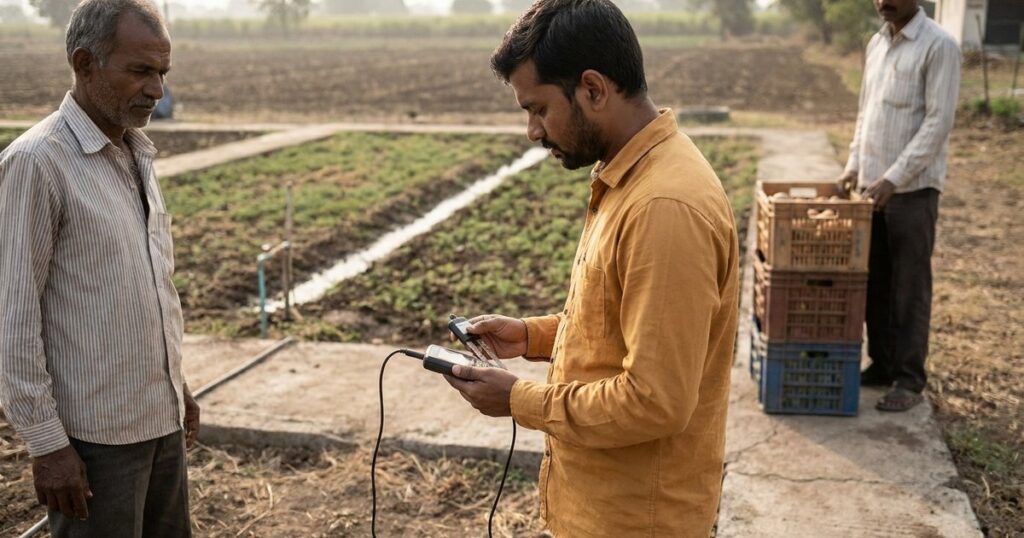
Indian agritech founder checks a field pilot with a farmer, illustrating shared risk before national expansion.
Insights

Chapter 12: Step 9, Risk Splits in the Indian Context

This chapter explains how Indian founders can avoid carrying all the downside of a new venture alone. It helps founders structure funding, partnerships, and pilots so risk is shared or limited. Quick Summary Use staged capital to limit downside. Share risk through revenue-share partnerships with …

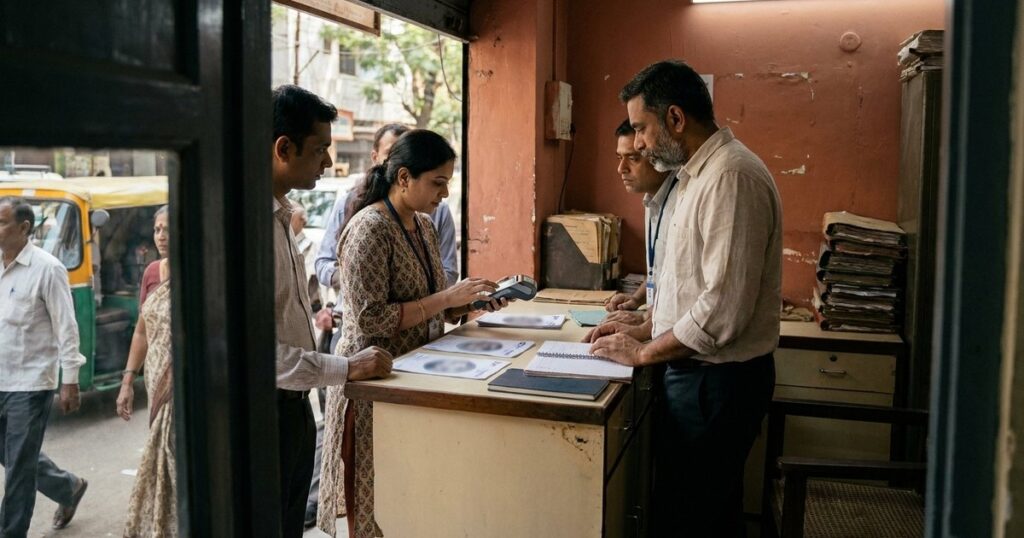
Indian fintech professionals assess payment technology and regulatory risks inside a neighborhood banking outlet
Insights

Chapter 10: Step 7, Prediction Maps for India

This chapter explains how Indian founders can map external forces by their impact and uncertainty. It helps founders identify predictable trends to use and uncertain risks to hedge against. Quick Summary Plot external factors on a 2×2 map using impact and uncertainty. High-impact, low-uncertainty…

Indian startup founders prepare two operational routes during a daylight meeting about Plan B and business risks.
Insights

Chapter 9: Step 6, Always Have a Plan B

This chapter explains why Indian companies need backup plans for funding, regulation, and key employee changes. It helps founders prepare alternatives for major risks and avoid depending on a single outcome. Quick Summary Funding winters, regulatory circulars, and key employee resignations can ha…

Overhead view of an Indian founder reviewing spending and calendar clues to uncover an implicit strategy
Insights

Chapter 8: Step 5, Spotting Implicit Strategy

This chapter explains how founders can identify the strategy shown by their time and spending, rather than only by what they say. It helps Indian founders check whether their daily priorities support solving customer problems and building a profitable, trusted brand. Quick Summary Your stated str…

Indian startup leaders meet a government health official while building a campaign plan and stakeholder team.
Insights

Chapter 7: Step 4, Campaign Plans and Building Your A-Team

This chapter explains how Indian founders can build a campaign plan by identifying allies, possible supporters, and people who may oppose the startup. It helps founders think about co-founders, employees, investors, partners, government officials, and talent as part of the company’s long-term str…

Indian delivery startup team tests a shift from restaurant orders to grocery delivery during a crisis
Insights

Chapter 6: Step 3, Jump Bets and Radical Shifts

This chapter explains when founders should make a jump bet instead of staying on their original course. It helps Indian founders assess major changes in customer behavior, regulation, and competition without reacting out of panic. Quick Summary Demonetisation, COVID lockdowns, GST changes, and de…

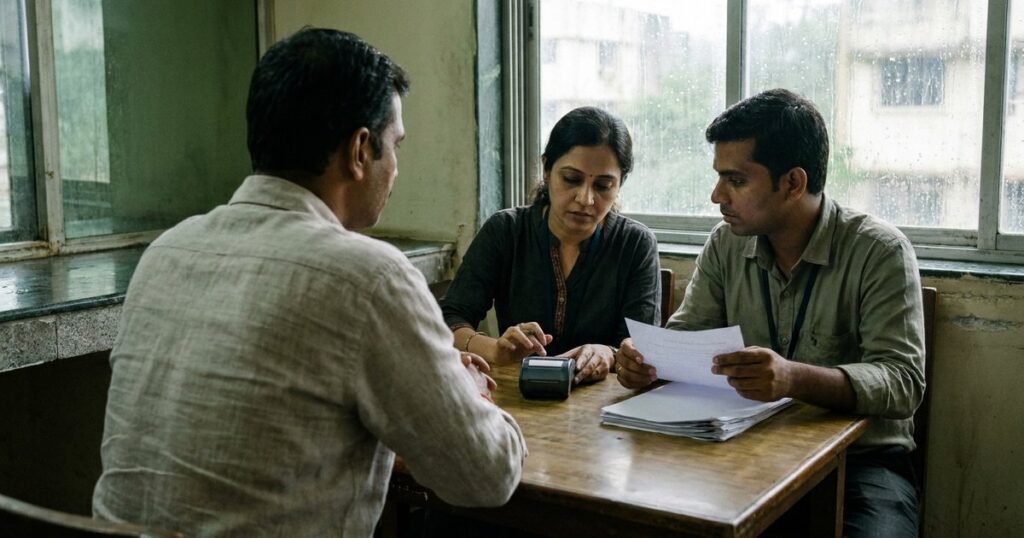
Indian payments founders assess growth, fraud, and regulation during a candid monsoon meeting
Insights

Chapter 5: Step 2, Is This Game Worth Playing?

This chapter explains how Indian founders can assess whether a business opportunity is worth pursuing. It helps founders examine the prize, the downside, and how much they can influence the rules of the game. Quick Summary Assess opportunities by looking at the prize, the cost, and the controllab…

Scroll to Top