Indian SaaS founder reviewing recurring revenue figures for ARR and MRR in a bright office
Insights

How to Calculate ARR and MRR for an Indian SaaS Startup

Most Indian SaaS founders calculate ARR wrong, then use the inflated number to plan hiring, pitch investors, and extend their runway. The basic answer is simple: ARR = current monthly recurring revenue (MRR) × 12 . Or, for annual contracts, ARR = the annualised recurring value of all active custo…

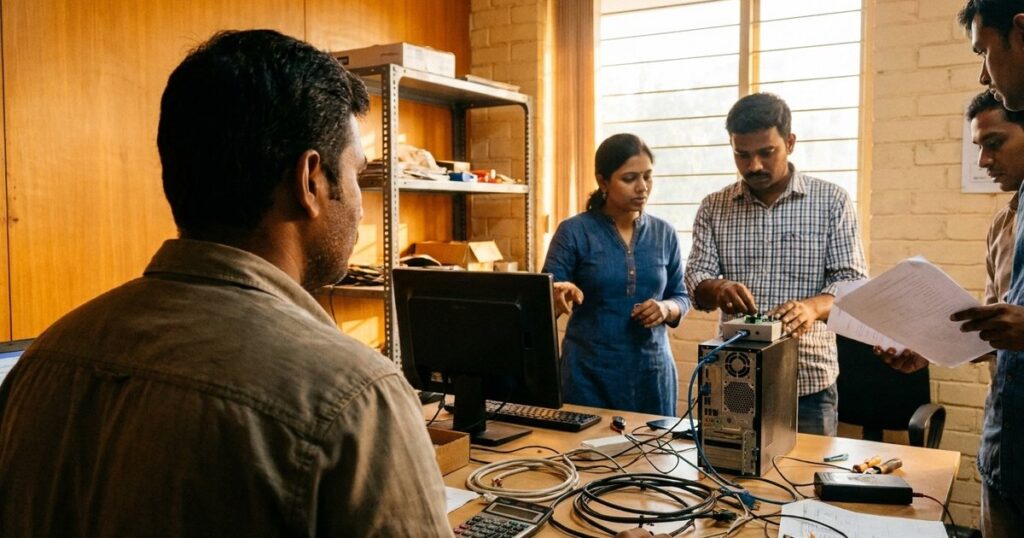
Two Indian founders discuss a prototype in a bright workshop, illustrating practical rules for entrepreneurs.
Insights

Rules for Game-Changing Entrepreneurs

Most Indian founders I encounter are overwhelmed by advice that sounds good but doesn’t work. You’re trying to build something real, and the last thing you need is recycled Silicon Valley fluff. What you need are rules that cut through the noise and get you to your first paying customer without b…

Indian founder, mentor, and trainee walk through a station, suggesting productivity and demographic opportunity.
Insights

Conclusion

This conclusion connects India’s demographic advantage to higher productivity and reviews the practical rules in Rules for Game-Changing Entrepreneurs. It helps founders, mentors, and people building learning systems apply these ideas with AI. Quick Summary India’s demographic advantage becomes r…

Indian startup team testing an AI workflow prototype together in a warm workshop
Insights

Chapter 13: AI as Your Co-Founder

This chapter explains how entrepreneurs can use AI as always-available team members for drafting, analysis, coding, translation, simulation, and repetitive operations. It helps founders design workflows, evaluate AI outputs, and make high-judgment decisions while reducing time spent on painful pr…

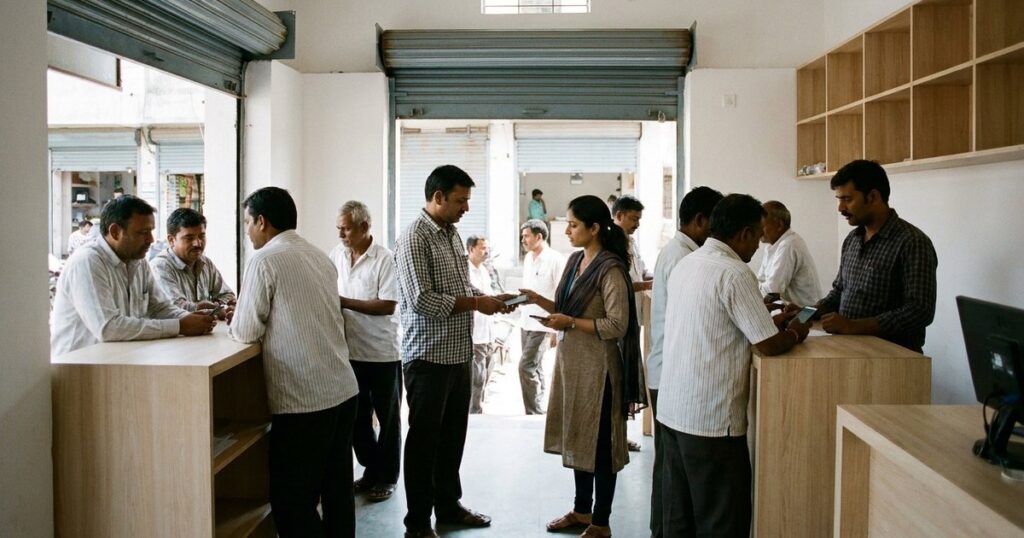
Indian merchants connect through a shared payment network, illustrating how open rails gain value through habit and relationships.
Insights

Chapter 12: Create Your Own Scarcity with a Virtual Pipe

This chapter explains how businesses can create lasting value on open rails by building habits, proprietary workflow data, personalization, or network effects. It helps entrepreneurs understand how merchant networks, additional services, and owned progress data can raise switching costs. Quick Su…

Indian students share a free digital learning tool around a table, illustrating zero marginal cost.
Insights

Chapter 11: Use Zero Marginal Cost to Create a Flood

This chapter explains how digital products can serve more users at nearly zero additional cost. It helps entrepreneurs design free or freemium offerings and earn revenue from premium features, institutional licenses, or adjacent services. Quick Summary Digital products can approach zero marginal …

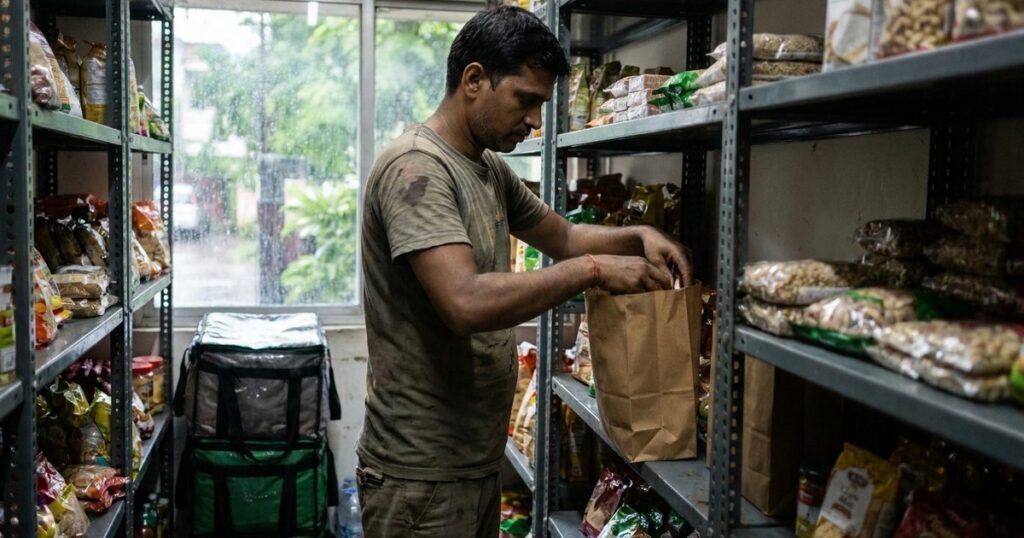
Indian entrepreneurs sort customer parcels in a small shop, illustrating value creation and market entrepreneurship.
Insights

Chapter 10: Be a Market Entrepreneur

This chapter explains how market entrepreneurs create value customers willingly pay for. It helps founders build productivity advantages that can survive without special favors, while treating compliance as a useful feature. Quick Summary Create value that customers willingly pay for. Treat AI-po…

Scroll to Top