
Part 6 of 19 in How to Make Your Own Luck: A Guide for Indian Founders← Part 5Part 7 →
This chapter explains when founders should make a jump bet instead of staying on their original course. It helps Indian founders assess major changes in customer behavior, regulation, and competition without reacting out of panic.
- Demonetisation, COVID lockdowns, GST changes, and deep-pocketed competitors can make staying the course riskier.
- Swiggy and Zomato expanded into grocery and essential delivery when restaurant volumes collapsed during COVID.
- A jump bet can repurpose infrastructure already built for a new opportunity.
- Founders should distinguish a real opportunity from panic by testing the new path with a small experiment.
- Ask whether a fundamental change has invalidated the previous prediction map.
Sometimes the ground shifts so fast that staying the course is the riskier bet. In India these moments arrive via demonetisation, COVID lockdowns, sudden GST changes, or a new competitor with deep pockets. High-PI founders develop the habit of sensing when a jump bet is required.
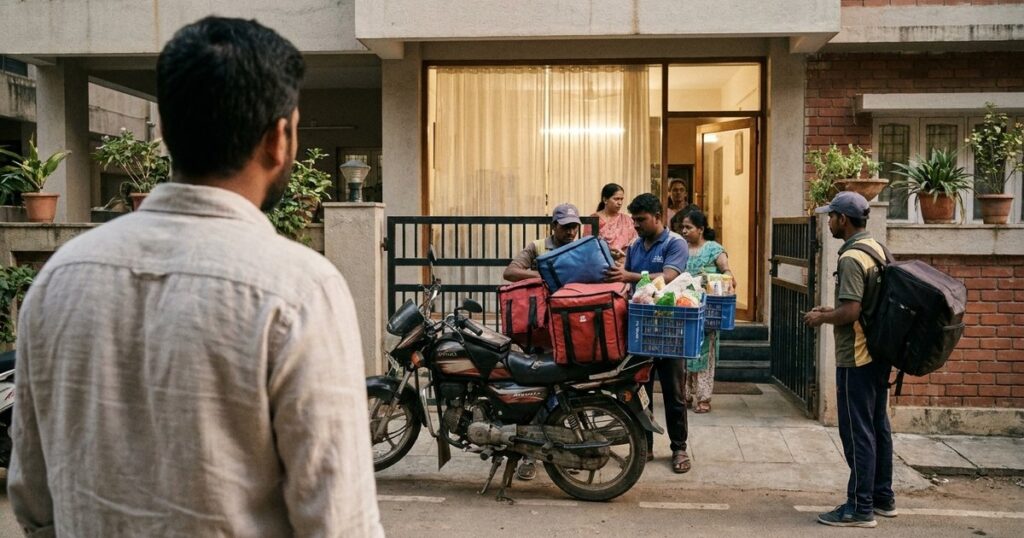
When COVID hit, Swiggy and Zomato rapidly expanded grocery and essential delivery. The jump was not random; it was a calculated bet that the delivery infrastructure they had already built could be repurposed while restaurant volumes collapsed. Founders who waited for “things to return to normal” lost months.
The key is to distinguish a true jump opportunity from panic. Ask: Has something fundamental changed in customer behavior, regulation, or competitive landscape that invalidates my previous prediction map? If yes, what is the smallest experiment I can run this week to test the new path?
Frequently asked questions
When should a founder make a jump bet?
A founder should consider a jump bet when customer behavior, regulation, or the competitive landscape has changed fundamentally and invalidated the previous prediction map.
How did Swiggy and Zomato respond when COVID hit?
They rapidly expanded grocery and essential delivery, repurposing delivery infrastructure while restaurant volumes collapsed.
How can founders test a radical shift without panicking?
Ask what has fundamentally changed, then run the smallest experiment possible that week to test the new path.
What is the difference between a jump opportunity and panic?
A jump opportunity responds to a fundamental change in customer behavior, regulation, or competition. Panic is not supported by that kind of change.