
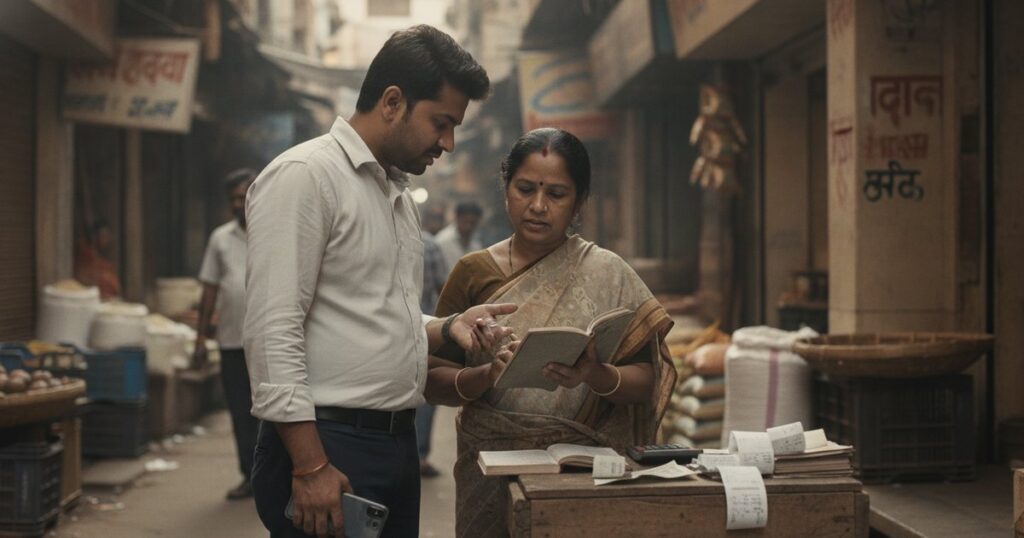
Most Indian startups make a fatal mistake: they chase global markets, ignoring the goldmine in their backyard. Building local brand loyalty isn’t just a good idea—it’s a lifeline. When you underestimate its importance, you’re setting yourself up for failure. Take Flipkart, for example. It didn’t become a household name by mimicking Amazon. It grew by understanding and catering to the Indian consumer. If you want your startup to survive and thrive, you need to focus on building local brand loyalty. Here’s why most Indian startups get this wrong and how you can avoid being one of them.
Understanding the Local Market: It’s Not Just Translation
Many founders think translating their app or website into local languages checks the “localization” box. Wrong. Localization is about understanding the cultural nuances, buying behaviors, and preferences that drive your target audience. Simply put, language is the least of your problems. If you don’t get this, you’ll bleed cash faster than you can raise it.
Real-World Example: Ola vs Uber
Ola didn’t beat Uber in India by offering cheaper rides. They won by understanding local needs—accepting cash payments, offering auto rides, and integrating Paytm. Ola understood that the Indian consumer isn’t just price-sensitive; they are convenience-sensitive, too.
Actionable Steps to Understand Your Market
- Conduct Local Surveys: Forget online surveys; get your team on the ground. Talk to your potential customers face-to-face.
- Utilize Local Influencers: These aren’t just Instagram models. Local influencers can give you insights into community-specific needs.
- Engage in Local Events: Be present in your community. Sponsor local events. This is a fast-track way to build credibility and learn what your market really wants.
Why Local Brand Loyalty Matters More Than You Think
Many startups underestimate the power of local brand loyalty. They think big, splashy ad campaigns will do the trick. Here’s the harsh truth: if you’re not building local loyalty, you’re not building anything sustainable. Local customers are not just numbers; they are your brand ambassadors.
Case Study: Captain Fresh
Captain Fresh, a B2B seafood marketplace, understood the importance of local brand loyalty. They built relationships with local fishermen, ensuring a reliable supply chain. This not only secured their business but also created a network of local advocates who vouched for their brand.
How to Build Local Brand Loyalty
- Personalized Customer Service: Train your customer service team to handle region-specific queries and complaints. Avoid generic responses.
- Community Engagement: Host or sponsor community events. This isn’t just about visibility; it’s about building trust.
- Feedback Loops: Create systems for gathering and acting on customer feedback. This shows you value their opinion and helps improve your product.
The Pitfalls of Ignoring Local Needs
Ignoring local needs isn’t just negligent; it’s a death wish. Consider TinyOwl, a food delivery startup that expanded too fast without understanding regional differences. They burned through cash and eventually collapsed. Their mistake? Not realizing that what works in Mumbai doesn’t necessarily work in Chennai.
Key Lessons from TinyOwl’s Failure
- Don’t Expand Without Local Insight: Before entering a new market, invest in understanding local consumer behavior.
- Adapt Your Business Model: Be flexible. If cash payments are popular in one region, integrate that option.
- Avoid One-Size-Fits-All Solutions: Customize your offerings to meet the specific needs of each local market.
The Bottom Line
Most Indian startups fail because they underestimate the importance of building local brand loyalty. If you want to succeed, you need to invest time and resources into understanding and engaging with your local market. Forget the global playbook; write your own based on local needs and behaviors. This is your roadmap to sustainable growth and success.
FAQs
Why is local brand loyalty crucial for Indian startups?
Local brand loyalty ensures a stable customer base and creates brand advocates who can help you expand organically. It provides the foundation for sustainable growth.
How can I start building local brand loyalty?
Begin by understanding your local market through surveys and community engagement. Customize your offerings and customer service to meet local needs.
What are common mistakes startups make in local markets?
Common mistakes include assuming one-size-fits-all solutions, failing to adapt business models, and expanding without local insight.
How does local brand loyalty impact long-term growth?
Local brand loyalty boosts customer retention, reduces acquisition costs, and creates a strong network of brand advocates, all contributing to long-term growth.
At Malpani Ventures, we believe in mentoring founders to help them avoid costly mistakes. If you want hands-on guidance in building local brand loyalty, feel free to reach out to us.