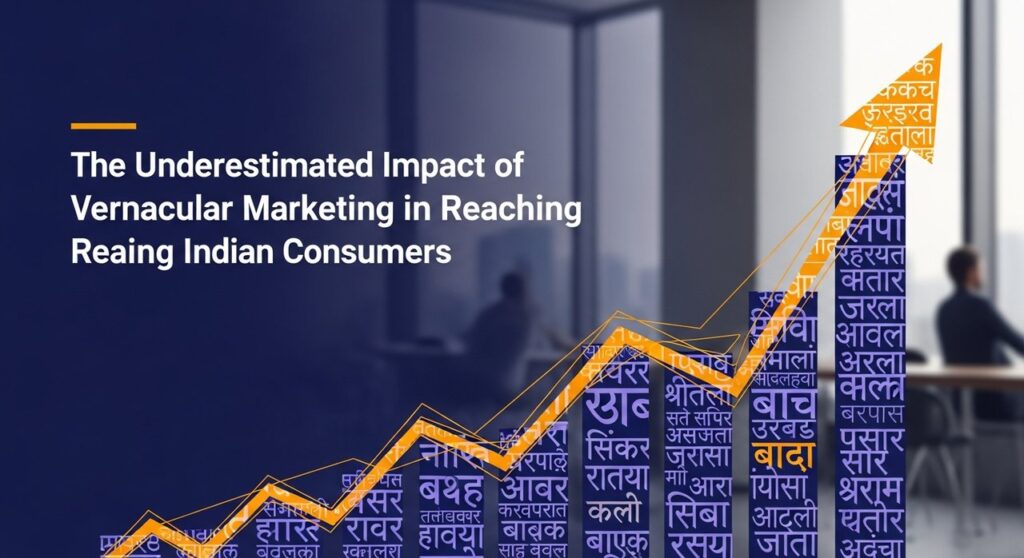
You’re burning cash on digital ads in English while your real audience scrolls past in their mother tongue. In a country where over 90% of new internet users prefer content in their local language, ignoring vernacular marketing is more than a missed opportunity. It’s a strategic blunder. The stubborn truth: English may have been the language of the elite, but in the digital bazaar of Bharat, it’s the regional dialects that resonate. This isn’t about being trendy or inclusive; it’s about survival and scale in the Indian market.
Why Vernacular Marketing Works
Emotional Connection Over Transaction
Vernacular marketing isn’t just about swapping English for Hindi or Telugu. It’s about tapping into cultural nuances that build trust and loyalty. When you speak to consumers in their language, you’re doing more than translating; you’re respecting their identity. It’s why brands like Amazon and ShareChat have invested heavily in regional language interfaces, seeing significant upticks in engagement and conversion.
Brands ignoring vernacular content are leaving money on the table in a market poised to hit $1 trillion in digital transactions by 2025.
Accessing the Untapped Market
The scale here is not marginal. A widely cited KPMG-Google study projected that Indian-language users would make up roughly three-quarters of India’s internet base, and that nine in ten people newly coming online would prefer content in an Indian language over English. If your product speaks only English, you compete for a shrinking slice while the real growth happens in Hindi, Tamil, Telugu, Marathi, Bengali and more.
The growth of internet penetration in tier-2 and tier-3 cities is not just a statistic. It’s a goldmine. These are the regions where English isn’t the lingua franca, and vernacular content is your ticket in. The numbers are clear: 72% of Indians prefer internet content in local languages. If you’re not speaking their language, you’re not even in the game.
English-only vs vernacular-first: what changes
The choice is not cosmetic. Building for regional languages from the start changes who you can reach, how much they trust you, and what it costs to grow.
| What it affects | English-only | Vernacular-first |
|---|---|---|
| Audience you can reach | The shrinking English-first slice, mostly metros | The nine in ten new users who prefer an Indian language |
| Trust and recall | Transactional, easy to forget | Feels local, builds loyalty and word of mouth |
| Tier-2 and Tier-3 growth | Stalls where English is not the default | Opens the fastest-growing part of the market |
| Cost of acquisition over time | Rises as you fight for the same metro users | Falls as regional word of mouth compounds |
| Where it must apply | Often just the ad, then English at checkout | Ad, landing page and support in one language, end to end |
The Mechanics of Effective Vernacular Marketing
Content Tailoring and Localization
Don’t just translate, transcreate. This means adapting your message to fit local idioms, cultural references, and even humor. When Coca-Cola launched its “Share a Coke” campaign in India, it wasn’t just about names on bottles. It was about names that meant something to people in each region.
Partner With Local Influencers
Influencers are not just megaphones; they’re cultural translators. Partner with regional influencers who can deliver your message in the vernacular, wrapped in local context. This isn’t a nice-to-have; it’s a must-have. These voices are trusted, and their endorsement can significantly amplify your brand’s reach and authenticity.
Localized Visuals and Storytelling
Imagery matters. Use visuals that reflect local culture, from attire to landscapes. The reason Diwali ads in Gujarat look different from those in West Bengal isn’t just language. It’s cultural resonance. Your visuals should say, “We get you.”
Challenges in Implementing Vernacular Marketing
Complexity of Languages
India’s linguistic diversity is both an opportunity and a challenge. Crafting messages that resonate across multiple languages requires careful attention to detail and a deep understanding of regional differences. It’s not enough to translate a campaign into multiple languages; each version must feel native to its audience.
Infrastructure and Reach
While internet penetration is growing, the digital infrastructure in some regions remains a barrier. Your vernacular strategy must consider how to reach audiences with limited access to high-speed internet and digital platforms.
Indian brands that got vernacular right
The clearest proof sits with companies that built regional languages into the product itself, not just the ad campaign.
- ShareChat and Moj grew a user base in the hundreds of millions by skipping English almost entirely and building for 15-plus Indian languages from the start.
- Meesho added Hindi and other regional-language onboarding so first-time sellers in smaller towns could list and sell without needing English.
- PhonePe and Google Pay ship their apps in a dozen-plus Indian languages, which carried digital payments into Tier-2 and Tier-3 towns far faster than an English-only wallet could.
- Dailyhunt built a whole news business on a simple truth: most Indians would rather read in their mother tongue than in English.
Each treated language as infrastructure, not decoration. That is the gap between translating a campaign after the fact and building for the reader from the first screen.
How to start with vernacular marketing
You do not need every language on day one. Start where your buyers already are and build from there.
- Pick one or two languages, not ten. Look at where your sales, sign-ups, or support questions already come from, and lead with those regions.
- Rewrite, do not translate. A literal translation reads like a form. Have a native speaker rework the message so it sounds like something a local would actually say.
- Localise the whole path, not just the ad. If the ad is in Tamil but the landing page and checkout are in English, you lose the reader at the click. Match the language end to end.
- Use the format the region prefers. Short video, voice, and audio travel further than text in many Indian-language audiences. Meet people in the format they already use.
- Measure per language. Track cost per lead and conversion for each language on its own. Double down on the ones that pay back, and drop the ones that do not.
The Bottom Line
Ignoring vernacular marketing in India isn’t just shortsighted. It’s a strategic error that could cost you market share and growth. The future of digital engagement in India is local, and your brand needs to be local too. This isn’t about being progressive; it’s about being profitable. If you’re not investing in vernacular content, you’re not just behind. You’re irrelevant.
FAQs
What is vernacular marketing?
Vernacular marketing involves creating and delivering content in the local languages and dialects of your target audience, leveraging cultural nuances to build trust and engagement.
Why is vernacular marketing important in India?
With over 22 official languages and hundreds of dialects, India is a linguistically diverse country. Vernacular marketing helps brands connect with the 90% of new internet users who prefer content in their native language, opening up access to untapped markets in tier-2 and tier-3 cities.
How can I start implementing vernacular marketing?
Begin by understanding your target audience’s language preferences and cultural nuances. Develop localized content, partner with regional influencers, and use visual storytelling that resonates with local cultures. Ensure your campaigns are adaptable to different linguistic and infrastructural contexts.
What challenges should I expect with vernacular marketing?
Key challenges include managing the complexity of multiple languages, ensuring accurate and culturally relevant translations, and overcoming infrastructure barriers in regions with limited digital access.
At Malpani Ventures, we believe in empowering startups to harness the full potential of vernacular marketing. If you’re looking for guidance in navigating this landscape, reach out for a candid discussion.