Part 2 of 17 in The Founder’s Compass← Part 1Part 3 →
The Founder's Compass examines how founders can make better decisions by testing their assumptions. This chapter helps startup teams distinguish meaningful progress from activity and improve their understanding of customer problems.
- A founder’s first job is to build a useful picture of reality, not simply stay busy.
- A philosophy consists of assumptions that shape decisions when answers are unclear.
- Treating current ideas as fallible encourages investigation and learning.
- Customer observation can reveal a better explanation of the problem and change the product.
- Teams should identify key beliefs, test them cheaply, and revisit them with an assigned owner and date.
Why action needs a map
At a Mumbai railway station at rush hour, movement is constant. People move with purpose because they know where they are going; motion alone does not get anyone home. Startups can look the same. Product launches, hiring plans and investor meetings fill the calendar, but activity is not evidence of progress.
A founder’s first job is to build a useful picture of reality. What does the customer struggle with? What must be true for our solution to work? What evidence would change our mind? These questions slow a team for minutes and can save it months. A philosophy is not a poster of values. It is the set of assumptions that quietly shapes decisions when the answer is not obvious.
The central discipline is fallibility: our current best idea may be wrong, and that is not a personal defect. It is a reason to investigate. A good team can say, “This is our best explanation so far; here is what would prove it inadequate.” Confidence belongs in the process of learning, not in pretending to be certain.
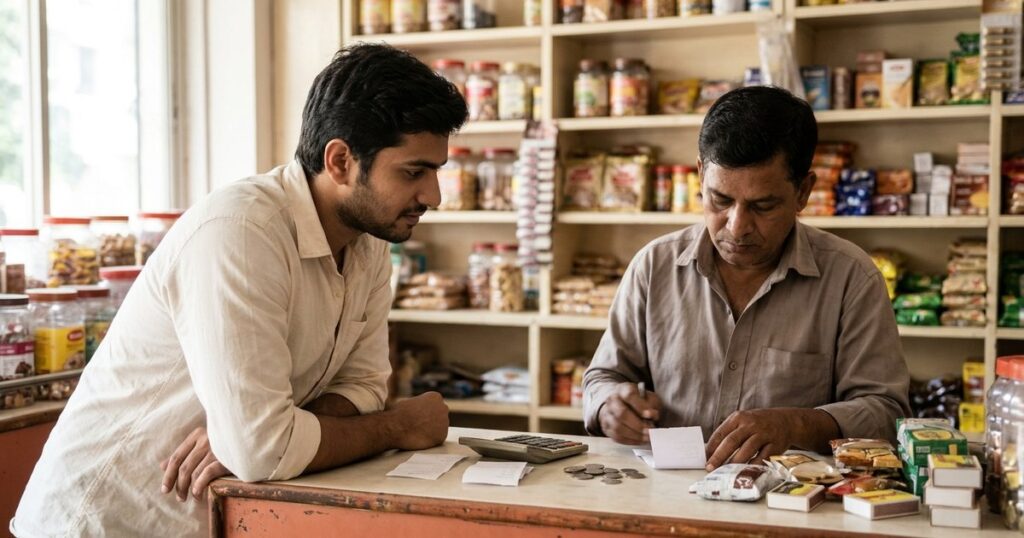
Consider a founder who assumes small retailers need another inventory dashboard. Store visits reveal the deeper problem: owners reconcile purchases, credit and stock after closing, often on paper and in several languages. The first idea was plausible. The better explanation emerged by looking closely. The product changes because the founder’s model of the problem changes.
Indian entrepreneurs operate amid uneven infrastructure, multiple languages, varied purchasing power and rapidly changing expectations. This complexity rewards curiosity. It punishes a borrowed playbook treated as universal. Frameworks can help us notice; they cannot substitute for seeing.
Exercise: write down the three beliefs on which your company’s plan depends. For each, name the observation that supports it, the observation that would challenge it, and the cheapest way to learn more this week. Share the list with someone who is allowed to disagree.
Put it to work
In your next team meeting, name one assumption connected to this chapter. Ask what you have observed, what else might explain it, and what small action would help you learn. Assign an owner and a date to revisit the answer.
Frequently asked questions
What is a founder’s first job?
A founder’s first job is to build a useful picture of reality. This means understanding the customer’s struggle, what must be true for the solution to work, and what evidence could change the team’s mind.
Why should founders question their assumptions?
A current best idea may be wrong, and that is a reason to investigate rather than a personal defect. Testing assumptions can prevent a team from spending months on the wrong problem.
How can a startup test its beliefs?
Write down the three beliefs on which the company’s plan depends. For each one, identify supporting and challenging observations and the cheapest way to learn more that week.
What should a team do in its next meeting?
Name one assumption, discuss what has been observed and what else might explain it, then choose a small action to learn more. Assign an owner and a date to revisit the answer.