Part 3 of 17 in The Founder’s Compass← Part 2Part 4 →
This chapter explains how to connect a company’s purpose to a specific customer problem and a future worth creating. It helps founders examine who experiences, uses, pays for, and benefits from a solution before designing the product.
- Connect purpose to a concrete customer problem and a testable promise.
- Treat access and affordability as design requirements, supported by process, training, volume, and cross-subsidy.
- Distinguish customers, users, payers, and beneficiaries when examining the full system.
- Observe waiting, uncertainty, hidden costs, workarounds, and lost trust before drawing the product.
- Test assumptions through customer behavior, assigned learning actions, and a date to revisit findings.
Purpose grounded in a human need
Purpose is useful when it connects a concrete customer problem with a future worth creating. “We want to transform healthcare” is a direction, not yet a business. “A patient should understand a treatment choice and reach a qualified clinician without travelling all day” is closer to a testable promise.
Aravind Eye Care offers a powerful Indian example of designing around access and affordability while maintaining operational discipline. Its story invites founders to ask how process design, volume, training and cross-subsidy can make a service reachable. The lesson is not to copy a hospital model into software. It is to treat access as a design requirement and examine the system that delivers it.
A purpose statement should make trade-offs easier. If a company says it serves first-time investors, does it make sense to profit from confusing products? If it claims to help farmers, does it optimize for transactions or for reliable net income? Purpose becomes real when it shapes what the business refuses to do.
Distinguish the customer from the user, payer and beneficiary. In education, a student uses the product, a parent may pay, a school may choose it, and a teacher may carry the burden of adoption. A solution that delights only one party may fail the system.
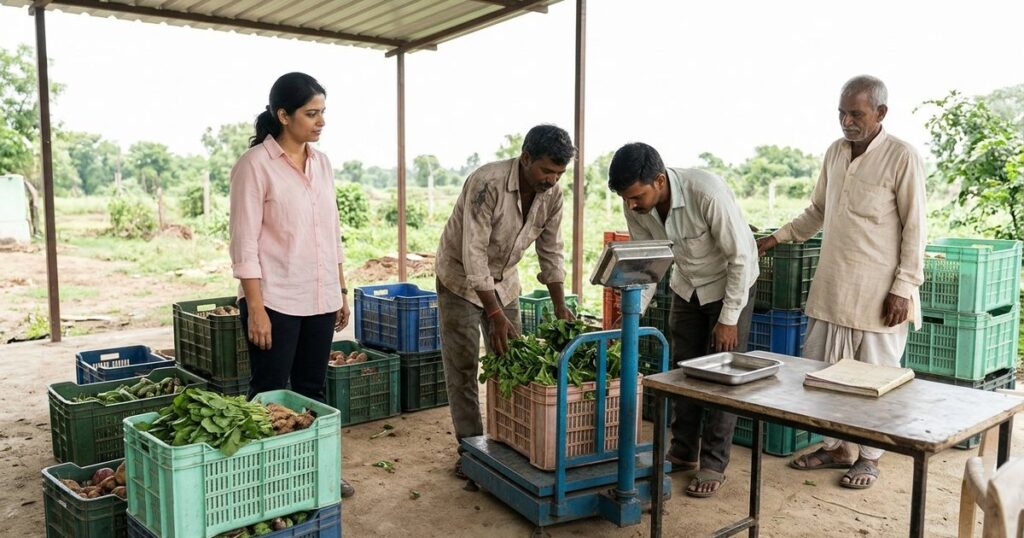
Map the problem before drawing the product. Follow one person through the task. Note waiting, uncertainty, hidden costs, workarounds and moments when trust is lost. Then check whether enough people share the problem and whether you can serve them sustainably.
Write a one-sentence promise naming the person, painful situation and improvement. Ask five customers what they did the last time the problem occurred. Past behaviour is more informative than applause for your idea.
Put it to work
In your next team meeting, name one assumption connected to this chapter. Ask what you have observed, what else might explain it, and what small action would help you learn. Assign an owner and a date to revisit the answer.
Frequently asked questions
How do I turn a company purpose into a business idea?
Connect a future worth creating with a concrete customer problem and write a testable promise naming the person, painful situation, and improvement.
Why should founders distinguish the customer, user, payer, and beneficiary?
Different people may use, pay for, choose, or carry the burden of adopting a solution. A product that delights only one party may fail the system.
What should I observe before designing a product?
Follow one person through the task and note waiting, uncertainty, hidden costs, workarounds, and moments when trust is lost.
How can I test whether a customer problem is real?
Ask five customers what they did the last time the problem occurred. Past behavior is more informative than applause for an idea.