
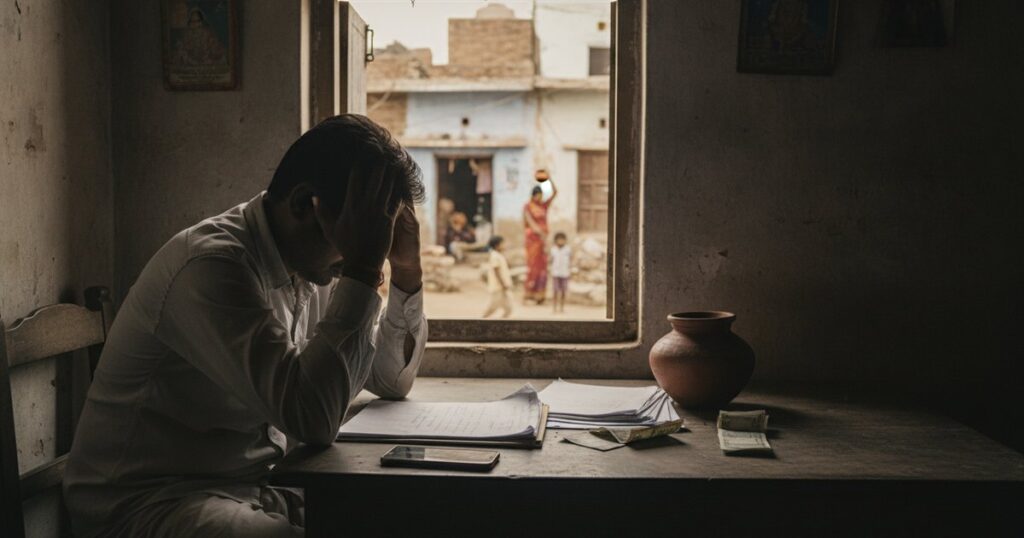
Ignoring cultural dynamics when planning your startup’s rural strategy in India isn’t just naive—it’s a financial blunder that could sink your venture before it gets off the ground. Rural India isn’t a monolith; it’s a patchwork of cultures, languages, and traditions. For a startup looking to penetrate these markets, a one-size-fits-all approach is a recipe for disaster. If you’re serious about capturing rural customers, you need to start by understanding and respecting the diverse cultural nuances that define them.
Understanding Rural India’s Cultural Tapestry
Beyond the Numbers
Sure, rural India offers enticing market numbers—800 million potential consumers, growing smartphone penetration, and government schemes galore. But don’t let these figures blind you to the underlying social fabric. Each state, district, and even village has its own unique cultural identity. What works in Maharashtra might fail spectacularly in Tamil Nadu.
Local Languages and Communication
Let’s talk language. Hindi might be the national language, but it’s not the lingua franca everywhere. A marketing campaign in Hindi won’t resonate in Kerala or Tamil Nadu like it would in Uttar Pradesh. Tailor your communication to the local dialects and languages to truly connect with your target audience. This isn’t just about translation; it’s about cultural context.
Ignoring local languages in your strategy can alienate up to 40% of your potential rural customer base.
The Cost of Cultural Ignorance
Misaligned Products and Services
Let’s cut to the chase—products that don’t respect local customs will fail. Take the example of a health tech startup that launched a fitness app in rural Bihar without considering local dietary habits. They assumed their urban-focused diet plans would work universally. Spoiler: they didn’t. The app flopped, and they lost ₹50 lakh in the process.
Brand Rejection
Branding that clashes with local beliefs can lead to outright rejection. Remember the FMCG company that used a cow in its logo in a region that worships cattle? They learned the hard way when their sales plummeted. Understanding cultural symbols is crucial for brand acceptance.
Regulatory and Social Backlash
Neglecting cultural norms can also lead to regulatory scrutiny or social backlash. A startup promoting a product that offends local sensibilities can find itself facing boycotts or even shutdowns. Don’t underestimate the power of community word-of-mouth in rural areas—it can make or break your business.
Adapting Your Strategy: The Way Forward
Invest in Local Talent
Hire locals who understand the cultural intricacies of their regions. They can provide insights that no amount of external market research can. This isn’t just about filling positions—it’s about gaining cultural fluency.
Customised Product Offerings
Adapt your products to suit local tastes and preferences. If you’re in the food business, consider regional flavors. If you’re in tech, consider local usability patterns. It’s all about offering something that feels native rather than foreign.
Build Community Relationships
Engage with local influencers and community leaders. They can be your brand ambassadors. Their endorsement carries weight and can significantly affect your startup’s acceptance in the community. This is where many urban-centered startups falter—they neglect the power of local advocacy.
The Bottom Line
Ignoring cultural dynamics in rural India is more than just a mistake—it’s a financial liability. Your startup must be culturally agile if it hopes to thrive in these markets. Respect the diversity, understand the nuances, and adapt your strategy accordingly. This isn’t optional; it’s essential for survival and success.
FAQs
How can I understand the cultural dynamics of a rural area?
Engage with local communities, hire local talent, and conduct field research. Don’t rely solely on digital data. Real-world interactions provide invaluable insights.
What if my startup can’t afford extensive market research?
Start small. Leverage local partnerships and use existing community networks to gather insights. Even a limited understanding can prevent costly mistakes.
Why is language adaptation so crucial?
Language isn’t just a communication tool; it’s a cultural connector. Using local languages shows respect and understanding, helping your brand resonate with the community.
Can cultural adaptation really impact my bottom line?
Absolutely. Cultural missteps can cost you dearly in terms of brand reputation and market penetration. Conversely, cultural alignment can lead to increased customer loyalty and sales.
Want hands-on guidance to navigate these complexities? Reach out to Malpani Ventures—your mentor-investor in the Indian startup landscape.