Insights

Short, practical notes for first-time Indian founders: metrics, habits, mistakes and the operating detail that rarely gets written down.

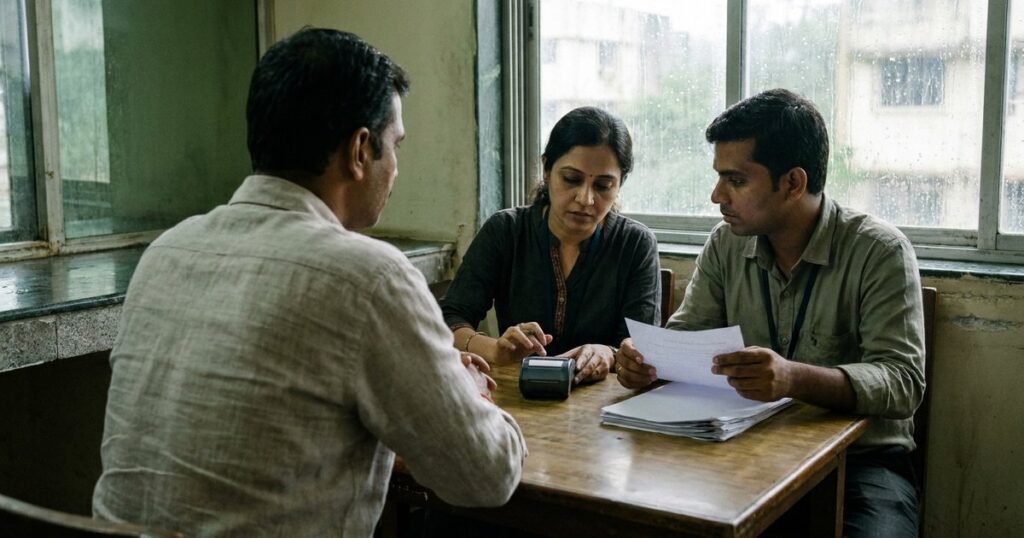
Indian payments founders assess growth, fraud, and regulation during a candid monsoon meeting
Insights

Chapter 5: Step 2, Is This Game Worth Playing?

This chapter explains how Indian founders can assess whether a business opportunity is worth pursuing. It helps founders examine the prize, the downside, and how much they can influence the rules of the game. Quick Summary Assess opportunities by looking at the prize, the cost, and the controllab…


Indian founder planning a trusted beauty destination in a warm, busy cosmetics shop
Insights

Chapter 4: Step 1, What Future Are You Trying to Create?

This chapter explains how founders can define a specific future for their company before making major decisions. It helps Indian founders connect daily activities and strategic choices to clear outcomes for customers, geography, profitability, and impact. Quick Summary Personal experience can ide…

Indian startup founders weigh a major business bet together using the Gambler’s Dozen checklist.
Insights

Chapter 3: The Gambler’s Dozen for Indian Startups

The Gambler’s Dozen is a checklist for Indian founders making significant bets, such as raising capital, launching in a new city, hiring a senior leader, entering a regulated category, or pivoting. It helps founders examine their goals, risks, plans, assumptions, and stopping points before acting…

Indian founder weighing a startup decision with family, reflecting on making luck through smarter risks.
Insights

Chapter 1: Why Indian Founders Must Make Their Own Luck

How to Make Your Own Luck: A Guide for Indian Founders explains why startup success depends on more than timing or favorable circumstances. This chapter helps Indian founders understand how clearer goals, better risk decisions, and flexible action can make good outcomes more probable. Quick Summa…

Indian startup employee calculating the cash cost and tax of exercising private-company ESOPs
Insights

ESOP Double Taxation in India and the IMB Timing Trap

ESOP tax in India is not one tax. It is usually two separate tax events: salary tax when you exercise the option, and capital-gains tax when you sell the resulting shares. The trap is that founders often promise ESOPs as if they cost employees nothing until an exit. That is false. Worse, if your …

Scroll to Top