Dr. Malpani

Indian startup founders in discussion on a rooftop terrace, highlighting anti-fragile culture themes in startups.
Insights

Chapter 11: Building the Anti-Fragile Culture

This chapter explores how to create an anti-fragile culture within a startup. It is particularly useful for Indian founders looking to build resilient organizations. Quick Summary Anti-fragile cultures reward problem identification and plan revisions. Such cultures avoid punishing those who chall…


Indian startup founder discusses frameworks with a team around a wooden table in late-afternoon light.
Insights

Chapter 10: Practical Frameworks for Founders

This chapter provides practical frameworks for startup founders to enhance their business resilience. It focuses on using AI tools to support decision-making and system improvements. Quick Summary Conduct a Weekly Learning Review to identify contradictions, local optimizations, and test risky ass…

Overhead flat-lay of objects on a desk, reflecting themes of adaptation and sustainability in Indian startups.
Insights

Chapter 8: Indian Case Studies of Adaptation and Fragility

This chapter examines Indian startups and organizations that have successfully adapted to challenges by using systems thinking and focusing on long-term sustainability. It provides insights for founders on how to build resilience into their business models. Quick Summary Zerodha focused on techno…

Close-up of an abacus with Indian professionals discussing systems thinking in a blurred boardroom background.
Insights

Chapter 7: Systems Thinking, Seeing the Whole

This chapter introduces systems thinking as a way for Indian startup founders to understand complex interrelationships and patterns of change. It discusses how systems thinking can help founders anticipate and adapt to challenges in a dynamic business environment. Quick Summary Systems thinking f…

Indian startup founders in a discussion at a table, reflecting on creating shared vision and alignment without bureaucracy.
Insights

Chapter 5: Shared Vision, Alignment Without Bureaucracy

This chapter discusses how Indian startup founders can create a shared vision that aligns their teams without resorting to bureaucracy. It explains the importance of a shared vision in reducing coordination costs and improving decision-making. Quick Summary A shared vision resonates with individu…

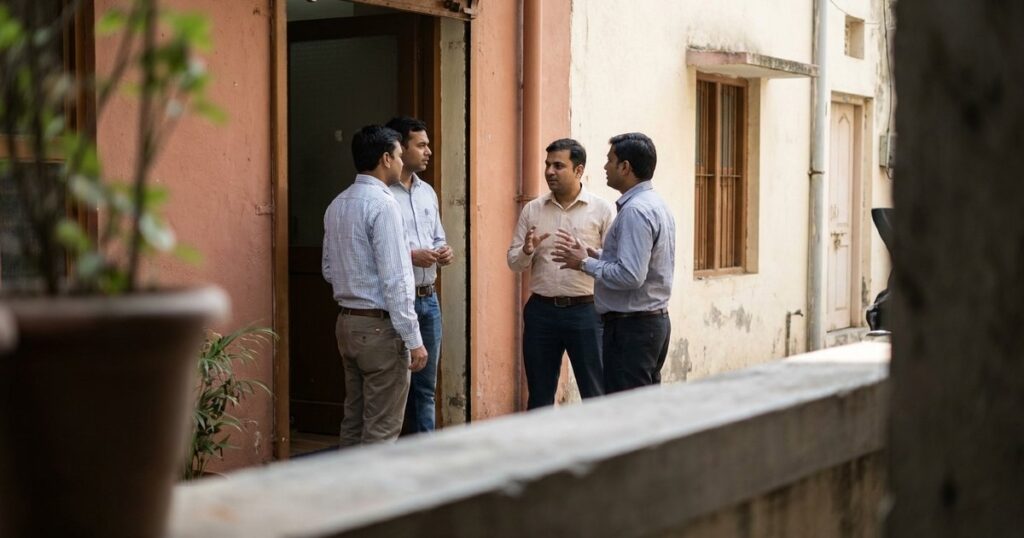
Indian professionals discuss mental models outside a startup office, highlighting resilience in business strategies.
Insights

Chapter 4: Mental Models, Challenging Indian Startup Myths

This chapter explores common mental models in Indian startups and how they can be challenged to improve business resilience. It is part of the series on making startups anti-fragile. Quick Summary Mental models are unseen frameworks that influence decision-making in organizations. Indian startups…

Indian founder working on sketches, reflecting on mental models and Senge's disciplines for an anti-fragile startup.
Insights

Chapter 2: The Five Disciplines of the Anti-Fragile Startup

This chapter introduces Senge’s five disciplines essential for building an anti-fragile startup. It focuses on how Indian founders can apply these concepts effectively. Quick Summary Senge’s five disciplines are interconnected and reinforce each other. Personal mastery involves continuous learnin…

Scroll to Top