
Part 12 of 19 in How to Make Your Own Luck: A Guide for Indian Founders← Part 11Part 13 →
This chapter explains how Indian founders can avoid carrying all the downside of a new venture alone. It helps founders structure funding, partnerships, and pilots so risk is shared or limited.
- Use staged capital to limit downside.
- Share risk through revenue-share partnerships with distributors.
- Run pilot programs with state governments before expanding nationally.
- Test unit economics in one or two states before a full launch.
- Split national launch risk across time and geography.
You do not have to take all the risk yourself. Structure deals, partnerships, and experiments so that downside is shared or capped. In India this often means staged capital, revenue-share partnerships with distributors, or pilot programs with state governments before national rollout.
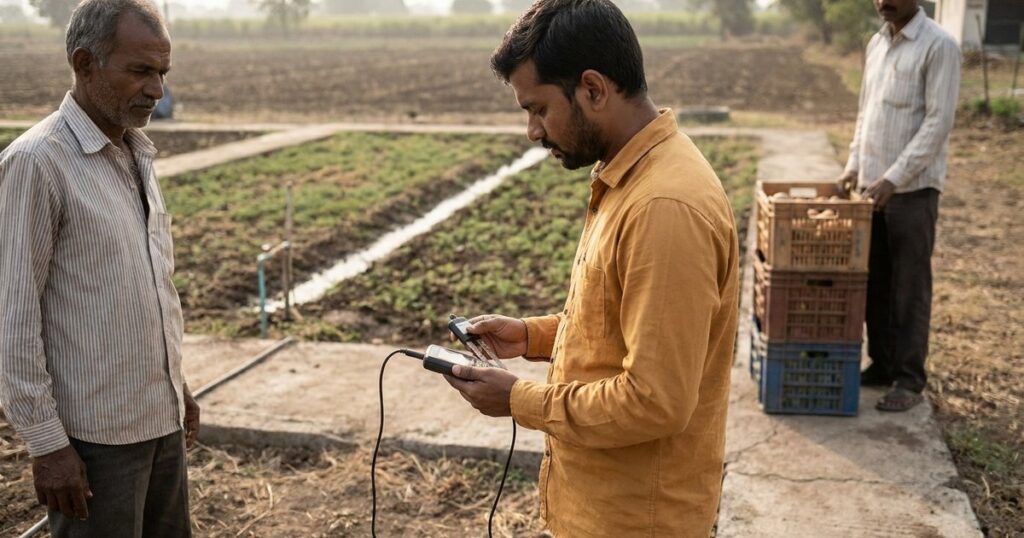
Many successful agritech and healthtech companies first ran limited pilots in one or two states, proved unit economics, then expanded. The risk of a full national launch was split across time and geography.
Frequently asked questions
How can Indian founders avoid taking all the risk themselves?
They can structure deals, partnerships, and experiments so downside is shared or capped.
What are examples of risk-sharing approaches in India?
Examples include staged capital, revenue-share partnerships with distributors, and pilot programs with state governments.
Why run an agritech or healthtech pilot in one or two states?
Limited pilots can help companies prove unit economics before expanding nationally.
How can a company reduce the risk of a national launch?
It can expand across time and geography instead of launching nationwide at once.