Scaling too rapidly in Tier-1 cities like Mumbai or Bengaluru could be the iceberg your startup didn’t see coming. Most Indian founders romanticize the idea of rapid expansion, dreaming of becoming the next unicorn overnight. But here’s the stark reality: premature scaling in a Tier-1 city can deplete your resources faster than a failed funding round. Let’s cut through the myths and get to the core of why this ambition can backfire.
The Myth of Instant Tier-1 Success
The Allure of Tier-1 Markets
Tier-1 cities are the crown jewels of India’s market landscape. They promise a larger customer base, better infrastructure, and access to a skilled workforce. But here’s where most founders get it wrong: they assume that success in Tier-1 cities equates to overall success. This is a dangerous oversimplification. The market is saturated, competition is fierce, and the cost of living is through the roof. Your startup needs more than just ambition to thrive here.
The Pitfall of Assumptions
Many startups fall into the trap of assuming their Tier-2 or Tier-3 success story will seamlessly translate to a Tier-1 city. Take a look at why most Indian startups fail at scaling beyond Tier-1 cities. The consumer behavior, regulatory environment, and operational costs differ drastically. If you think you can just replicate your existing model, you’re in for a rude awakening.
Why Rapid Scaling in Tier-1 is a Risky Gamble
Burn Rate Takes the Wheel
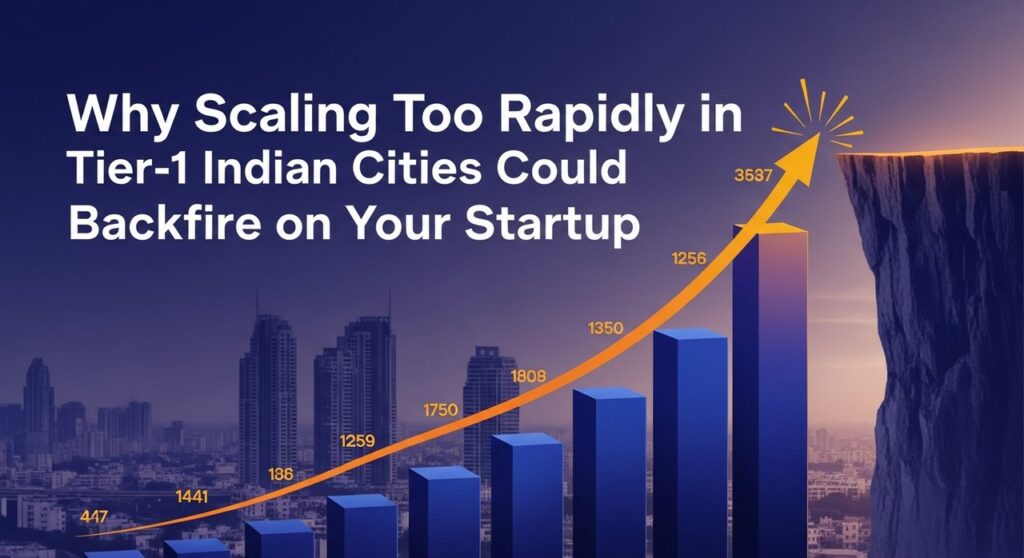
In Tier-1 cities, your burn rate will shoot through the roof. Office space, salaries, and marketing are significantly more expensive. If your revenue doesn’t keep up, you’re heading for a financial cliff. The Indian startup ecosystem is littered with the carcasses of companies that burned through capital without building a sustainable revenue model.
“Your startup’s burn rate is your enemy, not your friend. Don’t let it dictate your future.”
Overfunding: A Double-Edged Sword
Securing a hefty funding round might seem like a victory. But with too much money comes the pressure to deliver quick results. Overfunding often leads to reckless spending, increased burn rates, and a lack of focus. Remember, more money means more accountability and stress. Just ask OfBusiness and Infra.Market, who managed their growth systematically without falling into the funding trap.
Execution Challenges Amplified
Logistical Nightmares
Scaling operations in a Tier-1 city is a different ball game from smaller markets. Here, logistics and supply chain complexities can balloon if not managed effectively. Learn from why ignoring Indian Tier-3 markets limits your startup’s reach. You need a robust logistical frame that can handle the urban chaos.
Talent: A Diminishing Return
While Tier-1 cities promise a larger talent pool, they also come with higher expectations and turnover rates. The competition for skilled labor is intense, and hiring costs can spiral out of control. You may end up with a bloated organization with inefficiencies and cultural mismatches.
Strategically Scaling in Tier-1 Cities
Validate Before You Scale
Before you set your sights on a Tier-1 city, ensure your product-market fit is validated. Your primary goal should be to nail down the product-market fit. Focus on customer feedback, iterate your product, and ensure your offering solves a real need.
Build a Scalable Infrastructure
Ensure your infrastructure can handle the pressures of a Tier-1 market. This includes your technology stack, supply chain, customer support, and operational processes. A robust infrastructure will prevent bottlenecks and ensure smooth operations as you grow.
Maintain Financial Discipline
Adopt a lean approach even after receiving funding. Monitor your cash flow closely, and ensure your burn rate aligns with your revenue growth. Remember, every rupee counts. Overspending can be detrimental, especially when market conditions change.
The Bottom Line
Scaling in Tier-1 cities isn’t the golden ticket it’s often made out to be. The risks are real, and the stakes are higher. Your focus should be on sustainable growth, not just rapid expansion. Nail your product-market fit, build a robust infrastructure, and maintain financial discipline. Your startup’s longevity depends on it. If you’re facing the scaling challenge and need a mentor-investor with a hands-on approach, Malpani Ventures is here to guide you through.
FAQs
What is the biggest danger of rapid scaling in Tier-1 cities?
The biggest danger is losing sight of your core business model and product-market fit, leading to unsustainable growth and eventual failure.
How can I tell if I’m scaling too fast?
Watch for signs like a high burn rate, excessive hiring, and expanding without solid operational grounds. If these are happening, you’re likely scaling too quickly.
Can overfunding hurt my startup?
Absolutely. Overfunding often leads to reckless spending, increased burn rate, and pressure to deliver quick results, which can derail your startup’s focus.
What should I focus on before scaling?
Ensure a strong product-market fit, scalable infrastructure, and maintain financial discipline. These elements are crucial for sustainable growth.