
Part 3 of 12 in How Much Should You Charge?: A Guide for Indian Entrepreneurs← Part 2Part 4 →
This chapter explains how to design a product around what customers value and will pay for. It helps founders reduce the risk of building the wrong product by discussing price and outcomes before finalizing the roadmap.
- Reverse the usual process by understanding willingness to pay before designing and building the product.
- Discuss value and price with customers early in product development.
- Use product concepts, feature sets, price points, stories, and comparisons instead of abstract price questions.
- Ask what customers currently spend and what a better solution would be worth.
- Use customer insights to separate must-have, nice-to-have, and unnecessary features.
The traditional process looks like this: idea → design and build → set cost-plus or competitor-based price → launch → hope. The monetizing innovation process reverses the middle steps: idea → understand willingness to pay and value drivers → design the product and packaging around those insights → build only what customers will pay for → set the price that captures value → launch.
This is not theory. It is a practical sequence that reduces the risk of building something nobody will pay for. It forces clarity early, when changes are still cheap.
Talk to Customers About Price Early
Most founders are afraid to ask customers about price too early. They worry it will kill the sale or that customers will lowball. In reality, the opposite is true. Early conversations about value and willingness to pay prevent you from building the wrong product. The original book’s first rule is simple: talk to customers about willingness to pay early in the product development process.
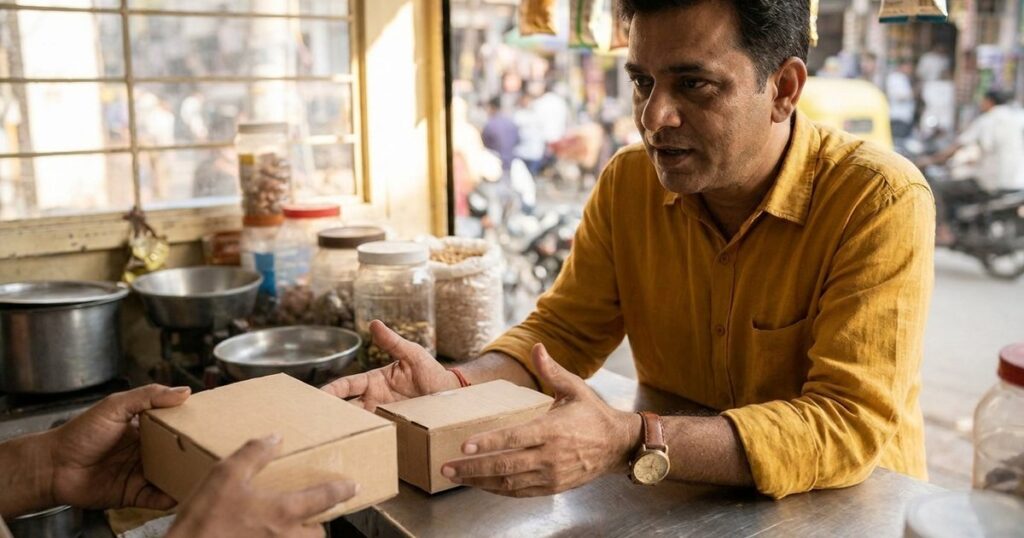
In the Indian context, these conversations must be carefully designed. Direct “How much would you pay?” questions often produce socially desirable or aspirational answers. Better approaches include presenting concrete product concepts with different feature sets and price points and asking which one the customer would choose. You can also ask what the customer currently spends to solve the problem (time, money, frustration) and what a perfect solution would be worth.
Indian customers often respond better to stories and comparisons. “If this tool saved your kirana store two hours every evening and reduced stock-outs by 30%, what would that be worth to you?” works better than abstract feature lists. Frame the conversation around outcomes the customer already cares about.
Do these conversations before you lock your roadmap. Use the insights to decide which features are must-haves, which are nice-to-haves, and which should be cut entirely. The goal is not to get a perfect price number on day one. The goal is to avoid building the wrong product.
Frequently asked questions
When should founders talk to customers about price?
Founders should discuss willingness to pay early in product development, before locking the roadmap.
Why should a product be designed around its price?
This helps founders build only what customers will pay for and reduces the risk of creating the wrong product.
What is a better way to ask Indian customers about willingness to pay?
Present concrete product concepts with different features and prices, or ask what customers currently spend and what a perfect solution would be worth.
How should customer conversations influence the product roadmap?
Use the insights to identify must-have features, nice-to-have features, and features that should be removed.