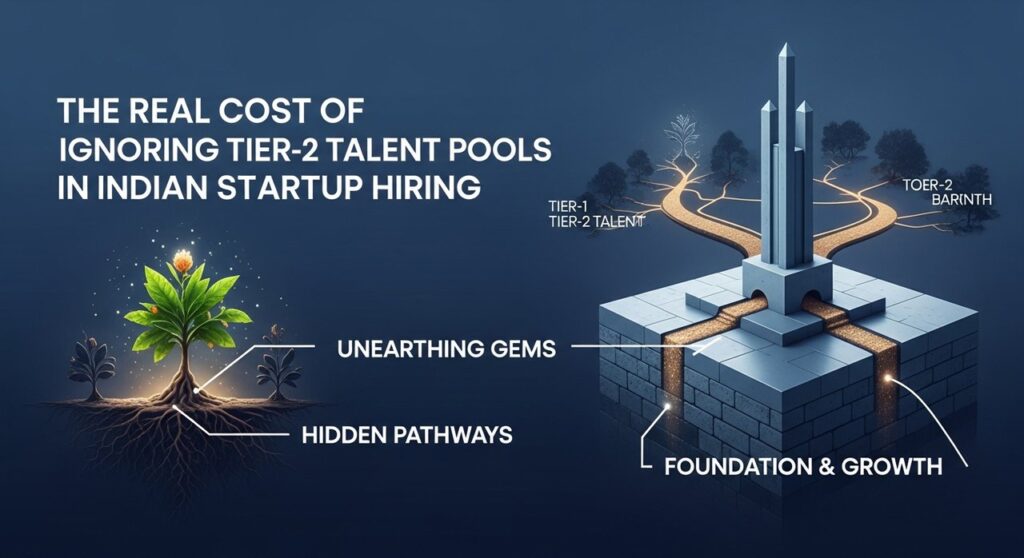
You’re burning through cash faster than you can raise it, all because you’re fixated on hiring talent from Bengaluru and Mumbai. It’s a rookie mistake. While you’re busy chasing overpriced metro talent, Tier-2 cities are sitting on a goldmine of skilled professionals. Ignoring them is not just shortsighted; it’s an expensive oversight you’re making right now.
Why Founders Overlook Tier-2 Talent
The Myth of Metro Superiority
Many founders are under the illusion that the best talent can only be found in metro cities. They believe that the hustle and bustle of places like Bengaluru or Mumbai somehow make its residents more competent. This is a myth. Talent doesn’t care about postal codes. In fact, some of India’s most promising startups have roots in Tier-2 cities. Take Chai Point, which started in Bengaluru but rapidly expanded by tapping into Tier-2 city talent for its operational needs.
Investor Bias
Investors often push founders toward metro hires because they equate office locations with legitimacy. But this bias is shortsighted. Investors who overlook Tier-2 talent pools are missing out on lower operational costs and a committed, untapped workforce that could drive the next wave of innovation.
The Real Cost of Ignoring Tier-2 Talent
Burning Money on Higher Salaries
Why pay a premium for a developer in Bengaluru when you can hire two equally skilled developers in a Tier-2 city for the same price? Salaries in Tier-2 cities are often 30-50% lower than in metros. Yet, these professionals are just as capable. As an early-stage startup founder, controlling your burn rate is crucial. Every rupee saved is runway extended.
Tier-2 city salaries can be 30-50% lower, meaning you extend your runway without compromising on talent.
Missed Opportunities for Innovation
Tier-2 city employees often bring unique perspectives and problem-solving skills honed in less resource-rich environments. This can be a game-changer for startups looking to innovate. When you ignore these talent pools, you’re essentially shutting the door on a reservoir of innovative ideas and approaches.
Overworked Metro Teams
High stress levels in metro environments lead to burnout and high attrition rates. In contrast, Tier-2 cities offer a better work-life balance, resulting in more satisfied and productive employees. Ignoring this leads to a revolving door of employees, each departure costing you time and money.
How to Tap Into Tier-2 Talent
Revamp Your Hiring Strategy
Start by looking beyond the usual job portals. Leverage local recruitment agencies and campus placements in Tier-2 cities. Partner with local colleges to create internship programs that serve as a talent pipeline for your startup.
Adopt Remote Work Policies
Thanks to technology, remote work is more feasible than ever. Implement flexible work-from-home policies to attract Tier-2 talent who may not be willing to relocate. This not only expands your talent pool but also saves on infrastructure costs.
Build a Strong Employer Brand
Your employer brand isn’t just a metro phenomenon. Actively market your startup in Tier-2 cities. Attend local job fairs, sponsor community events, and use social media to highlight your company’s culture and opportunities.
The Bottom Line
Stop wasting your resources chasing after the same talent everyone else is eyeing in metro cities. Tier-2 cities offer not just a cost advantage but also a fresh, untapped pool of talent that can drive your startup forward. You’re not doing anyone any favors by sticking to old hiring norms. The sooner you embrace Tier-2 talent, the faster you’ll scale with efficiency and innovation.
FAQs
Why are Tier-2 cities cost-effective for startups?
Salaries and operational costs in Tier-2 cities are significantly lower than in metro areas. This means you can stretch your runway further while still accessing a capable workforce.
How can I find skilled talent in Tier-2 cities?
Utilize local recruitment agencies, partner with colleges for internships, and leverage online job portals that focus on Tier-2 and Tier-3 cities.
Is it risky to hire from Tier-2 cities?
No more risky than hiring from metros. The key is to have a robust recruitment process in place that evaluates skills and cultural fit, irrespective of the candidate’s location.
Can remote work help in hiring Tier-2 talent?
Absolutely. Remote work policies make it easier to attract talent from Tier-2 cities who may not want to relocate, thereby expanding your talent pool.
If you’re ready to rethink your hiring strategy and need guidance, reach out to Malpani Ventures—we’re here to help you leverage every untapped potential.