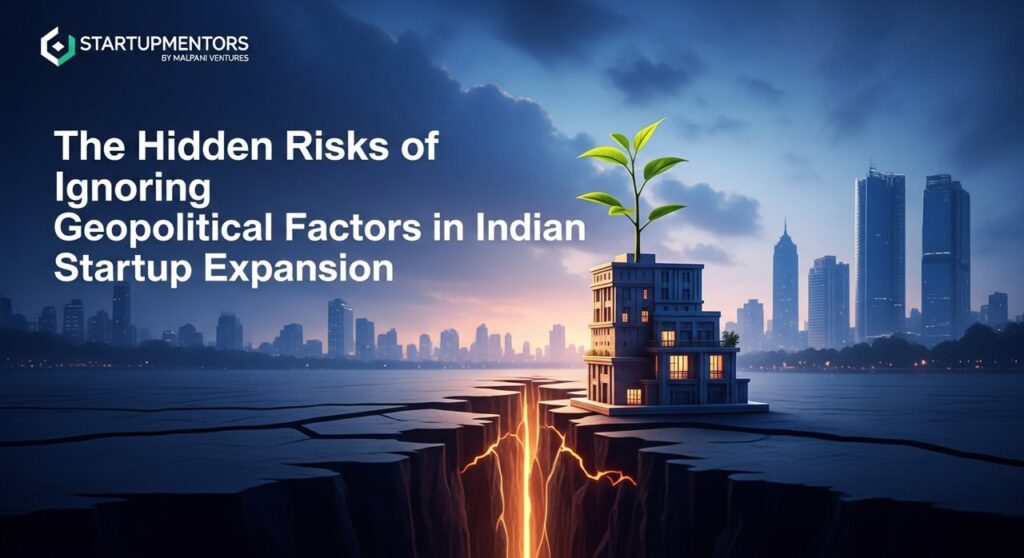
You’re an Indian startup founder eyeing global markets, dreaming of expansion. But let’s cut the fantasy: ignoring geopolitical factors can be your startup’s downfall. The glamour of international markets hides a minefield of risks that could cripple your business even before you’ve booked your first international flight. Indian founders often overlook these geopolitical risks, assuming they don’t matter. They do, and they can be lethal.
The Illusion of a Global Playground
Different Rules, Same Game?
Most founders operate under the illusion that business is business, no matter the geography. Wrong. Each country has its own set of rules, influenced heavily by its geopolitical climate. Take the case of NASSCOM‘s findings on Indian startups entering China—many have faced regulatory hurdles due to political tensions. What you assume to be a seamless expansion can quickly turn into a bureaucratic nightmare.
Regulatory Roulette
Geopolitical tensions often lead to abrupt changes in trade policies, tariffs, and market accessibility. If you’re not aligned with the geopolitical climate, you might find your products suddenly banned or taxed into oblivion. For instance, the US-China trade tensions have caused many Indian firms to rethink their supply chains. Can you afford to pivot quickly if your chosen market shuts its doors?
Financial Pitfalls: The Unseen Sinkhole
Currency Chaos
Geopolitical issues often lead to currency volatility. In 2023, Indian startups lost millions due to sudden currency devaluation in emerging markets. If you’re expanding, hedging currency risks isn’t optional; it’s mandatory. Don’t assume your financial models will hold when the ground beneath them is shaking.
Investment Instability
Political climates affect investor sentiment too. A country embroiled in conflict or political uncertainty is less likely to attract stable investments. Just look at how Indian startups had to recalibrate their funding strategies when the EU faced Brexit-induced uncertainties. Are you prepared to face a sudden funding freeze?
Operational Hurdles: More Than Logistics
Supply Chain Disruptions
Geopolitical tensions can severely disrupt supply chains. The Russia-Ukraine conflict demonstrated how a single geopolitical event could cripple logistics, as seen with the sharp increase in shipping costs and delays. If you think your supply chain is immune, think again. How will you mitigate a 30% increase in logistics costs due to unforeseen delays?
Local Workforce Challenges
Geopolitics can influence labor laws and workforce availability. Indian startups expanding into regions with stringent labor laws face hurdles in hiring and retention. Cultural and political climates also impact workforce productivity. Are you ready to navigate these complexities, or will you be blindsided by local labor laws?
Brand Reputation: The Silent Killer
Political Affiliations
Collaborating with local partners means dealing with their political affiliations. This can be a double-edged sword. Align with the wrong side, and your brand could suffer irreparable damage. Remember the backlash faced by Indian companies during local political protests. Are you prepared to conduct due diligence on potential partners?
Cultural Sensitivity
Geopolitical environments are deeply intertwined with culture. Ignoring cultural nuances can lead to brand missteps. An Indian food tech startup expanding to the Middle East learned this the hard way when their marketing campaign was deemed culturally insensitive, resulting in a boycott. Can your brand afford to alienate a key market?
The Bottom Line
Ignoring geopolitical factors in your startup expansion isn’t just risky; it’s suicidal. You’re not just playing with fire; you’re dousing yourself in kerosene. The hidden costs of geopolitical ignorance can add 40-60% to your budget. If you’re not prepared to navigate these waters, prepare to sink.
FAQs
What are the common geopolitical risks for Indian startups expanding globally?
Regulatory changes, currency volatility, supply chain disruptions, and political affiliations are the primary geopolitical risks. Each can have a severe impact on your operations and finances.
How can Indian startups mitigate geopolitical risks?
Thorough market research, hedging currency risks, and strategic partnerships with local firms can help. It’s crucial to build a flexible operational model that can adapt to geopolitical changes.
Is global expansion worth the geopolitical risks for Indian startups?
It depends on your preparedness. If you’re equipped to handle geopolitical complexities, the rewards can be significant. However, without proper planning, it can drain your resources and derail your business.
How does geopolitical instability affect funding for Indian startups?
Geopolitical instability can lead to a decrease in investor confidence, affecting funding availability and valuations. It’s essential to have contingency plans in place for sudden funding freezes.
If you’re ready to tackle these challenges and want hands-on guidance, consider reaching out to Malpani Ventures. We’re here to mentor you through these geopolitical hurdles.