
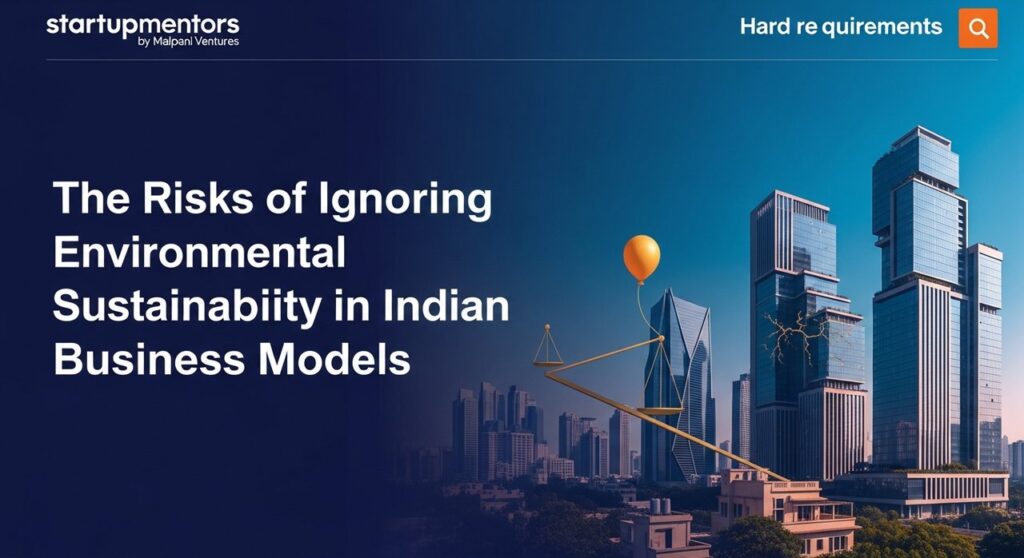
Here’s an uncomfortable truth you might not want to hear: if you’re an Indian startup founder ignoring environmental sustainability, you’re setting your business up to fail. Yes, fail. While you’re chasing funding and scaling as fast as possible, the world — and your customers — are changing. Ignoring this change is not just naive; it’s reckless. Let’s dive into the risks you’re running by sidelining sustainability and what you can do to pivot before it’s too late.
Why Ignoring Sustainability is a Risky Bet
The Regulatory Reality
Think India doesn’t care about sustainability? Think again. The government has been stepping up regulations and incentives to push businesses toward greener practices. Ignoring these regulations is a fast track to being blindsided by compliance penalties. The Indian regulatory environment isn’t static, and it’s not forgiving. If you think compliance is expensive, try non-compliance.
Consumer Sentiment is Shifting
Indian consumers are waking up. They’re smarter and more eco-conscious than you might think. A Unilever study showed that Indian consumers are significantly more likely to choose green products than those in the UK — 88% compared to 53%. If you’re not integrating sustainability into your business model, you’re missing out on a growing market of eco-conscious consumers.
The Investor Angle
Investors are increasingly factoring in Environmental, Social, and Governance (ESG) criteria when making decisions. A business that’s sustainable isn’t just a ‘nice-to-have’; it’s becoming a ‘must-have’. The trend towards sustainable investment is accelerating, and if you’re not on board, you’re risking not just your reputation but also your funding pipeline.
Concrete Steps to Integrate Sustainability
Start Small, Think Big
You don’t need to overhaul your entire operation overnight. Start with low-hanging fruit like waste reduction or energy efficiency. These small steps not only make you more sustainable but can also reduce costs — a double win. Once you see the benefits, scale up these initiatives.
Partner for Progress
Collaboration is key. Partner with other companies or NGOs that are already embracing sustainability. This can provide you with the expertise and resources you need to implement sustainable practices without breaking the bank.
Educate and Empower Your Team
Your employees are your biggest asset. Educate them about the importance of sustainability and empower them to take action. A team that’s committed to sustainability can drive change from within, leading to more innovative solutions and a stronger, more resilient business.
Case Study: Indian Startups Leading the Way
OfBusiness
OfBusiness, an Indian B2B commerce platform, has successfully integrated sustainability into its business model by focusing on supply chain efficiency and waste reduction, proving that sustainability and profitability can go hand-in-hand.
Zetwerk
Zetwerk, another Indian success story, emphasizes sustainable manufacturing processes. Their approach not only minimizes environmental impact but also attracts global clients who prioritize sustainability.
The Bottom Line
Ignoring environmental sustainability is not just a missed opportunity; it’s a ticking time bomb for your startup. The risks are real, from regulatory penalties to lost customers and investors. But the rewards are equally significant. Sustainability is not a cost center; it’s a growth strategy. Act on it this week, and you’ll not only safeguard your business but also position it for long-term success.
FAQs
Why should I care about sustainability when my startup is struggling to survive?
Sustainability isn’t just about saving the planet; it’s about future-proofing your business. Sustainable practices can reduce costs, attract customers, and open up new funding opportunities.
How can I afford to integrate sustainability when my startup is cash-strapped?
Start small with cost-saving initiatives like energy efficiency. Consider partnerships with NGOs or other businesses to share resources and expertise. Remember, sustainability can enhance your bottom line.
Are there any government incentives for sustainable practices in India?
Yes, the Indian government offers various incentives and subsidies for renewable energy projects and other sustainable initiatives. It’s wise to explore these options to offset initial costs.
Ready to take the leap into sustainability? Malpani Ventures is here to mentor you through the journey. Reach out for hands-on guidance and let’s build a sustainable future together.