
The path to product-market fit used to take years. Now, AI-powered startups are compressing that timeline from years to months, and from months to weeks.
But here’s the thing: most founders are using AI wrong. They’re treating it like a faster typewriter when it should be their iteration engine.
After working with dozens of early-stage startups, I’ve seen a clear pattern emerge. The companies finding PMF fastest aren’t the ones with the best AI models. They’re the ones who’ve rebuilt their entire validation process around rapid AI-powered iteration.
Here’s how they’re doing it.
The Old Way vs The AI Way
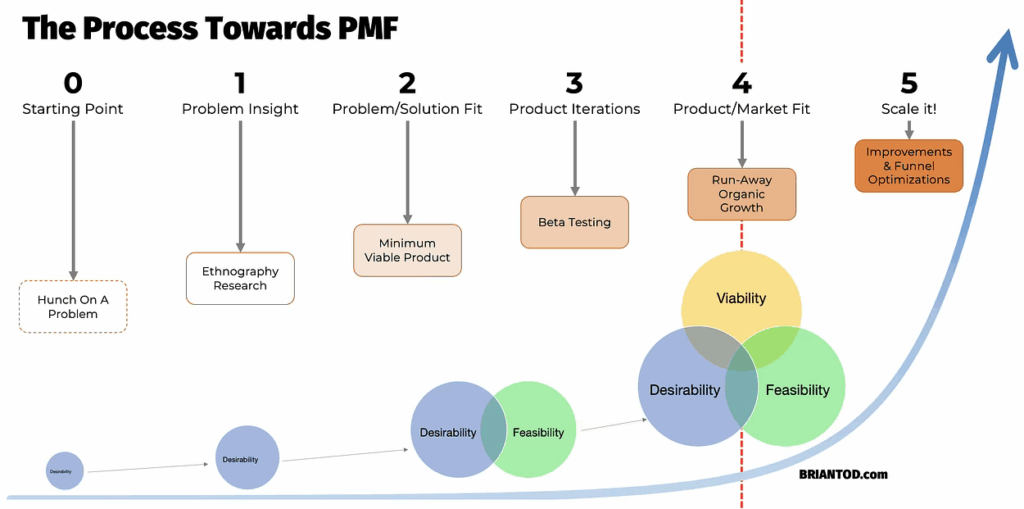
Traditional PMF search:
- Build feature → wait 2 weeks for dev → launch → collect feedback → analyze → repeat
- 6-8 week cycles if you’re moving fast
- Maybe 8-10 iterations per year
AI-accelerated PMF search:
- Generate concept → test with AI → validate with users → rebuild → repeat
- 2-3 day cycles
- 100+ iterations per year
The difference isn’t just speed. It’s the fundamental ability to test more hypotheses, fail faster, and compound learnings.
The Five Iteration Loops Where AI Changes Everything
1. Customer Research at Scale
Traditional approach: 10-20 customer interviews over a month, manual note-taking, subjective pattern recognition, guessing which features matter.
AI approach: Analyze actual usage data first, then validate findings with targeted customer conversations. The combination gives you both what users do and why they do it.
Start with the data: Let usage logs tell you the truth
Before you talk to a single customer, your product is already telling you a story through usage logs.
Most founders skip this step or do it manually, spending hours in analytics dashboards trying to spot patterns. AI changes this completely.
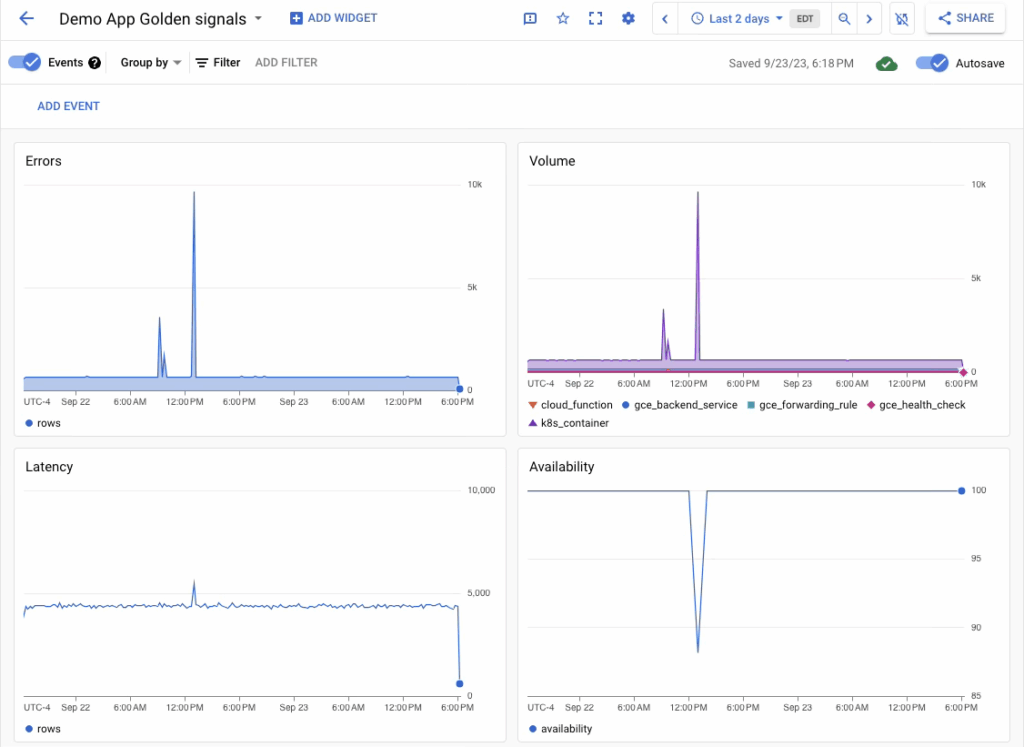
What this looks like in practice:
- Export your product usage logs (page views, feature clicks, time spent, user flows, etc.)
- Feed these logs into Claude or similar models with context about your features
- Ask AI to identify: Which features get used most? Which get abandoned? What’s the typical user journey? Where do users get stuck?
- Generate a report ranking features by engagement, retention impact, and usage frequency
- Identify the gap between features you think are valuable and features users actually use
The power move: Correlate feature usage with retention. AI can quickly show you which features, when used, predict whether someone becomes a power user or churns. That’s your real value.
Then validate with targeted interviews
Now that you know what users are actually doing, you can have much smarter conversations about why.
AI approach: Interview 50-100 potential customers in a week, use AI to transcribe and analyze every conversation, identify patterns across the entire dataset in hours—but this time, your questions are informed by real usage data.
What this looks like in practice:
- Use AI to generate targeted interview questions based on your usage insights (“We noticed 80% of users do X but only 20% do Y—why do you think that is?”)
- Record and transcribe every conversation (with permission)
- Feed transcripts into Claude or similar models to identify pain points, objections, and unmet needs
- Generate a synthesis report that connects usage patterns with user motivations
- Cross-reference: Are the features users say they want the same ones they actually use?
The magic happens when you combine both: “Our logs show feature X has low engagement” + “15 customers told us they don’t understand what it does” = clear action item to either fix onboarding or kill the feature.
2. Rapid Prototyping Without Engineers
The bottleneck for most startups isn’t ideas—it’s translating ideas into something testable.
AI eliminates this bottleneck.
Examples:
- Generate landing pages with different value props in minutes, not days
- Create functional prototypes using tools like Claude with Artifacts
- Build interactive demos without writing code
- Generate marketing copy variations for A/B testing
You can now test 10 different positioning angles in the time it used to take to design one landing page.
The velocity compounds. Each test teaches you something. Each insight feeds the next iteration.
3. Content and Marketing Experiments
Finding the right message is often harder than building the right product.
AI lets you run message-market fit experiments at unprecedented scale:
- Generate 50 headline variations and narrow to the top 5 based on AI analysis of your target persona
- Create email sequences tailored to different customer segments
- Produce social media content testing different angles on your value proposition
- Build out entire content calendars to test which topics resonate
The key: Don’t just generate content. Generate variations of your core hypothesis and let real engagement data tell you what works.
One B2B startup tested 30 different ways to explain their product in LinkedIn posts over two weeks. The winning frame got 10x more inbound interest than their original messaging. They rebuilt their entire website around it.
The Iteration Framework That Actually Works
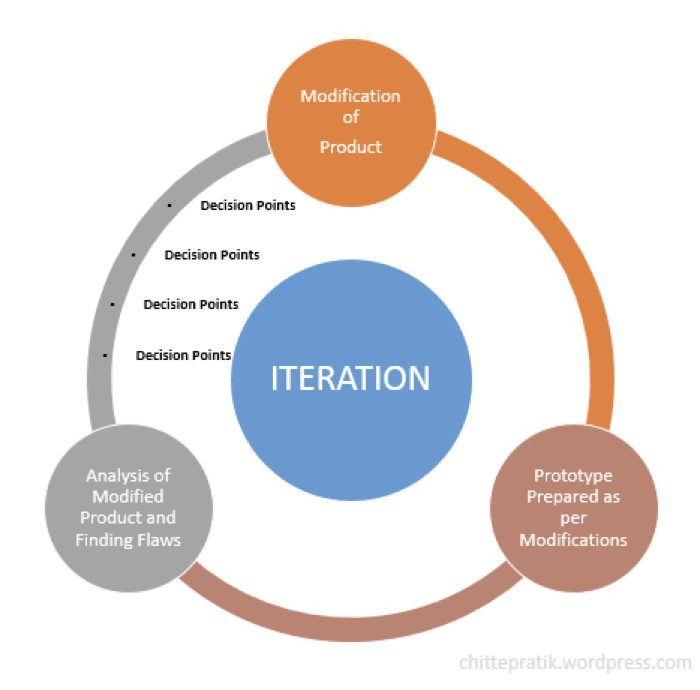
Here’s the weekly cycle that high-velocity startups are running:
Monday: Define this week’s hypothesis (What are we testing? What would prove us right or wrong?)
Tuesday-Wednesday: Build and deploy using AI-assisted tools (Landing pages, prototypes, content, outreach sequences)
Thursday-Friday: Collect and analyze data (Customer conversations, engagement metrics, sign-up rates)
Weekend/Monday: Synthesize learnings with AI analysis (What did we learn? What’s the next hypothesis?)
Then repeat.
That’s 50+ iterations per year instead of 10.
The Mistakes to Avoid
Mistake #1: Using AI to build faster without learning faster Speed without learning is just thrashing. The goal isn’t to ship features quickly—it’s to validate hypotheses quickly.
Mistake #2: Trusting AI-generated insights without user validation AI can identify patterns but it can’t tell you if customers will pay. Always validate AI insights with real humans.
Mistake #3: Optimizing for perfection instead of learning Your AI-generated landing page doesn’t need to be perfect. It needs to be good enough to test if your value prop resonates.
Mistake #4: Iterating on tactics without questioning strategy AI helps you execute faster, but you still need to ask hard questions about whether you’re solving a problem worth solving.
What This Actually Takes
You don’t need a big team or a big budget. You need:
- Clear hypotheses – Know what you’re testing and what success looks like
- The right tools – Claude, ChatGPT, Cursor, v0, and a dozen others depending on your needs
- A bias toward action – AI lowers the cost of trying things, so try more things
- Good judgment – AI amplifies your decision-making; it doesn’t replace it
The founders winning right now are the ones who’ve accepted that their first idea is probably wrong, their second idea is probably wrong, and their job is to get to the right idea as fast as possible.
AI gives them a speed advantage that compounds weekly.
The Compounding Effect
Here’s what happens when you can run 10x more experiments:
- Month 1: You test 20 variations of your core value prop instead of 2
- Month 2: Armed with better insights, your next 20 tests are higher quality
- Month 3: You’re not just testing faster—you’re testing smarter
- Month 6: You’ve run more experiments than most startups run in two years
The gap between fast movers and everyone else isn’t linear. It’s exponential.
Start This Week
Pick one iteration loop from above and commit to doing it AI-powered this week:
- Schedule 10 customer interviews and use AI to analyze them
- Generate 10 landing page variations and test them
- Create 20 pieces of content testing different angles
- Map your competitive landscape completely
- Analyze all your user feedback from the last month
The startups that find PMF fastest aren’t the ones with the best initial idea. They’re the ones who iterate so fast that they find the right idea while everyone else is still building version one.
AI didn’t change what product-market fit is. It changed how fast you can find it.
Now the question is: how fast are you moving? If you wish to build alongside bright founders, you should join communities like Startupmentors and Proxima Mumbai.