
Welcome to the magical world of the balance sheet — a document that freezes your business at a single moment in time, much like how you freeze every time an investor asks you, “What’s your runway?”
If the Profit & Loss statement is a dramatic Bollywood movie full of emotional ups and downs, the Balance Sheet is a passport photo: serious, emotionless, and revealing more than you’d like.
Let’s decode it.
1. The Balance Sheet: Tinder Bio of Your Company
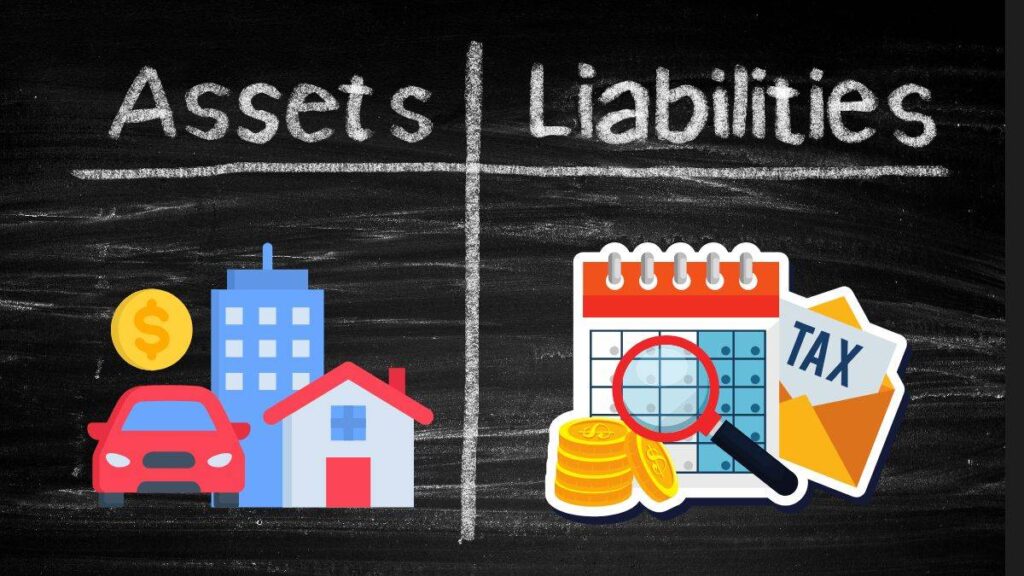
Your balance sheet has two sides:
- Assets — what your company owns
- Liabilities — what your company owes
In short:
Assets = “Look at the cool stuff I have!”
Liabilities = “Look at the people I owe money to…”
The sheet must balance (assets = liabilities + equity). Why?
Because accounting was invented by Renaissance bankers who were very serious about neatness and symmetry. If they saw your startup’s Google Sheet accounting today, they would immediately pass away.
2. Double Entry Accounting: The OG Ledger Gymnastics
Back in the day, the Medici invented double-entry bookkeeping: every action has an equal and opposite reaction.
Example:
You borrow $30 from your friend James.
- Add $30 to “Cash” (yay!)
- Add $30 to “Money I owe James” (less yay)
Boom — balanced.
In your startup, this looks like:
- Investor gives ₹50 lakh → “Cash” +₹50 lakh
- You now owe investor updates for the rest of your natural life → “Equity” +₹50 lakh
3. Assets: Stuff You Own (and Pretend Is Worth More Than It Actually Is)
Assets come in two flavours:
A. Long-term assets
Useful for years. Examples:
- Laptops
- Machinery
- Office furniture
- Software
- That fancy office espresso machine you justified as a “productivity enabler”
Fun fact:
Your beautifully built brand, “viral positioning,” and “community moat” don’t count as assets.
Why?
Because accountants don’t believe in your hype.
B. Current assets (stuff that turns into cash within a year)
- Cash (your favourite)
- Cash equivalents like short-term bonds
- Accounts receivable (people who owe you money — mostly enterprise clients who pay in geological timeframes)
- Prepaid expenses (subscriptions you paid for because someone clicked “annual billing – save 20%”)
- Inventory (if you sell physical stuff)
4. Liabilities: Stuff You Owe (AKA: Your “Oh No” List)
Liabilities = people you owe money, favours, or explanations to.
Split into:
A. Short-term liabilities (due within a year)
- Overdraft
- Short-term loans
- Money owed to suppliers
- Taxes you haven’t paid yet
- Provisions (estimated future problems — like severance costs, warranties, or lawsuits waiting to happen)
In founder English:
“Things that will become problems much sooner than you expect.”
B. Long-term liabilities
- Big-boy bank loans
- Pension liabilities
- Warranty liabilities
- Long-term leases
- Deferred compensation
In founder English:
“Problems for Future You. The current you will conveniently ignore these.”
5. Shareholders’ Equity: The “Who Owns What” Section
This is the part that shows:
- Money put in by founders & investors
- Profits retained in the company
This is the actual value the company owes its owners.
Ideally, your startup grows this through profit.
But since you’re a first-time founder, you will probably grow it by issuing more shares instead.
6. What the Balance Sheet Really Tells You
It shows:
- The total resources your company controls
- How those resources were financed
- The historic value of your assets
- The book value per share
It does not tell you:
- How much money you’ll make next month
- Whether you’ll survive the next investor due diligence
- Why you spent ₹1,20,000 on UX redesigns for a pre-revenue product
Founder-Friendly Summary
The balance sheet is basically:
“A list of all the stuff you’ve bought… and all the stuff you owe because you bought that stuff.”
It helps you answer important questions like:
- How much cash do we actually have?
- How screwed are we?
- If we shut down today, would there be anything left after paying everyone?
- Why do we have ₹40,000 worth of prepaid Zoom credits?