
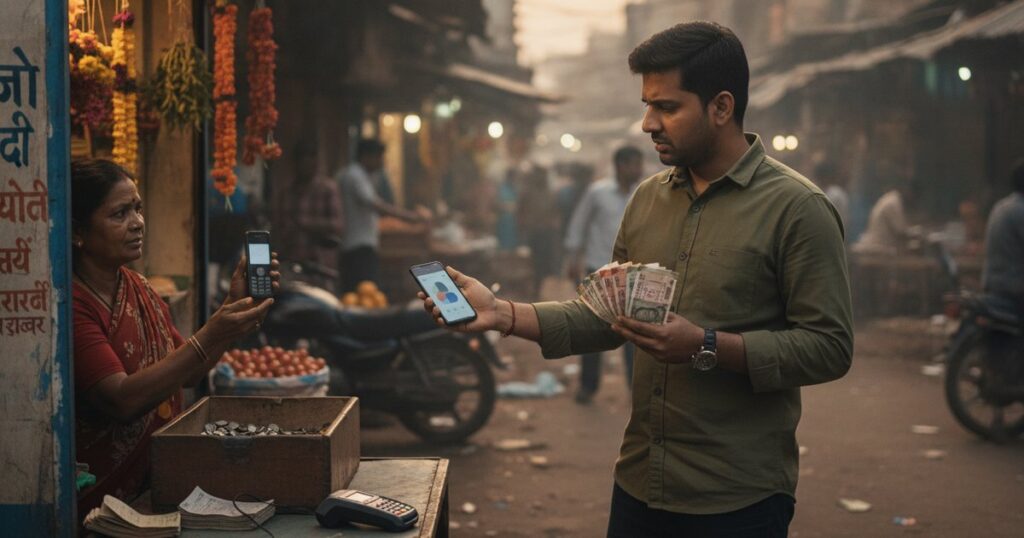
India isn’t one market; it’s a chaotic orchestra of consumer desires, financial capabilities, and payment preferences. If you’re building a startup here, ignoring this complexity is like playing Russian roulette with your runway. You might think your slick digital wallet alone will capture hearts and wallets. Wrong. The real cost of not adapting to India’s infinite payment preferences? Your startup dying a slow, avoidable death.
The Illusion of One-Size-Fits-All Payments
Many founders fall into the trap of assuming that India’s burgeoning digital payment ecosystem is uniform. They integrate UPI, maybe a couple of digital wallets, and think they’re covered. Here’s the uncomfortable truth: that approach is a recipe for disaster.
Understanding the Fragmented Landscape
- UPI is King, But Not for Everyone: While UPI transactions have skyrocketed, not every Indian consumer is on board. According to NPCI, UPI transactions crossed ₹10 trillion in value, but this doesn’t mean it’s ubiquitous. Many consumers, especially in rural areas, still rely on cash or traditional bank transfers.
- Digital Wallets Are Not Universally Loved: Paytm, PhonePe, and Google Pay may dominate headlines, but they don’t dominate the entire market. Regulatory changes and trust issues have made some consumers wary. A RBI report highlights how wallet usage is stagnating as people return to cash for small transactions.
- Credit is a Double-Edged Sword: Buy Now, Pay Later (BNPL) schemes are gaining traction, but they come with their own pitfalls. High default rates and consumer mistrust can lead to more harm than good.
Ignoring payment diversity means ignoring a potential slice of the market that could be the difference between scaling and stagnating.
What’s Truly at Stake?
If you’re not adapting to India’s payment diversity, you’re not just losing sales, you’re losing trust, brand loyalty, and market share.
Lost Revenue Opportunities
- Uncaptured Market Segments: The aspirational and emerging classes, estimated at around 300 million people, are selective about their payment methods. If you don’t offer what they trust, you lose them to competitors who do.
- High Abandonment Rates: Cart abandonment due to limited payment options is a silent killer. A study by Bain & Company reveals that up to 40% of online shoppers abandon carts due to unsatisfactory payment options.
Brand Erosion
- Consumer Trust: Limited payment options can erode trust faster than a data breach. People want flexibility, and if you don’t provide it, they’ll question your customer-centricity.
- Reputation Damage: A few bad reviews about payment hassles can lead to a reputational spiral you can’t afford at an early stage.
Adapting Without Breaking the Bank
Now that you’re sufficiently worried, let’s talk solutions. You don’t need to break the bank to adapt to India’s payment preferences.
Implement a Layered Payment Strategy
- Core Options: Ensure you have the essentials, UPI, major digital wallets, and credit/debit card options.
- Localized Solutions: Consider partnerships with regional banks and local payment solutions like RuPay and BharatQR, which are gaining traction among specific demographics.
- Cash as a Contingency: Don’t ignore cash, especially for last-mile transactions in rural areas where digital infrastructure is still developing.
Consumer Education and Transparency
- Payment Literacy: Educate your consumers about the benefits and security of digital payments. This builds trust and encourages adoption.
- Clear Terms and Conditions: Be transparent with any costs associated with different payment methods, like BNPL fees, to avoid consumer backlash.
The Bottom Line
India’s payment landscape is as diverse as its culture. Ignoring this reality isn’t just naïve; it’s suicidal. The real cost of not adapting isn’t just losing customers, it’s losing your startup. Adapt now, or watch your competitors gobble up the market share you left on the table.
FAQs
Why can’t I just focus on digital payments?
While digital payments are growing, they aren’t universal. Ignoring cash or regional payment methods alienates a significant portion of your potential customer base.
How do I decide which payment methods to prioritize?
Start with broad coverage, UPI, major digital wallets, and cards. Then analyze your customer data to see where additional methods might fill gaps.
Is BNPL worth the risk?
BNPL can boost sales but comes with high default risks and regulatory scrutiny. Ensure clear communication and robust risk management before diving in.
How can I educate my customers about digital payments?
Leverage social media, in-app tutorials, and partnerships with payment providers to offer educational content and build trust.
At Malpani Ventures, we stand by founders ready to tackle these challenges head-on. Reach out if you need hands-on guidance to navigate India’s complex payment landscape.