Bootstrapped founders have one superpower that VC-funded founders often forget.
They can let customers fund the R&D.
Instead of building first and praying someone buys later, you sell the idea first and build only after someone pays.
This is not cheating.
It’s good entrepreneurship.
Let’s break down how smart founders actually do this.
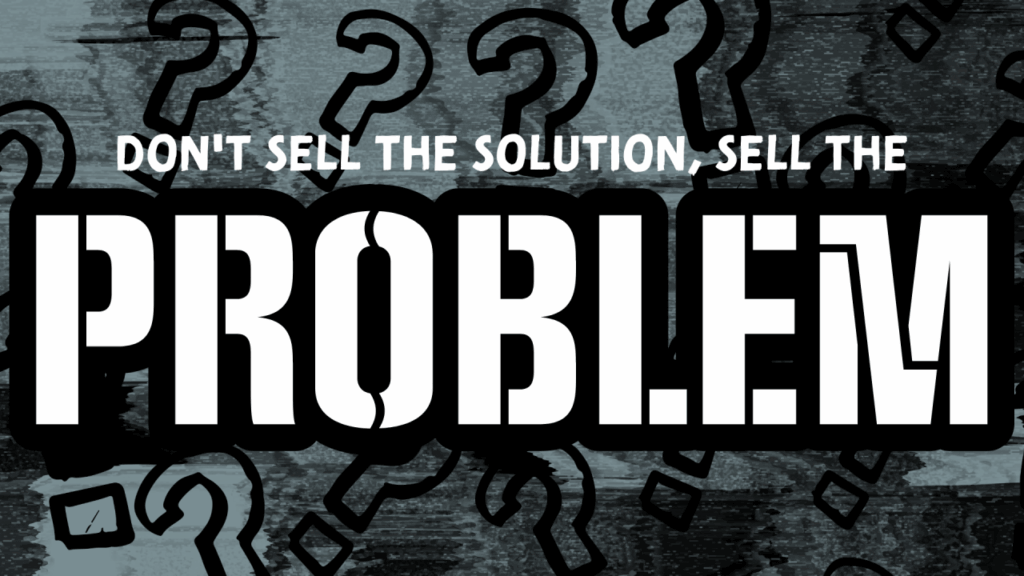
1. Sell the Problem Before Building the Product
Most founders fall in love with their solution.
Customers care about their pain, not your clever technology.
So start here:
- Talk to 20 to 30 potential customers
- Ask them what problem costs them time, money, or reputation
- Identify the pain that hurts enough to pay for
Then say something very simple:
“If I could solve this for you, would you pay for it?”
If the answer is vague, you don’t have a business.
If they say:
“Yes. When can you start?”
Now you’re getting somewhere.
Why this works:
People happily fund solutions to their own problems.
2. Pre-Sell the Product
The most powerful R&D funding is customer advance payments.
Examples:
- Pre-orders
- Paid pilots
- Design partnerships
- Custom implementation contracts
Instead of saying:
“We are building a product.”
Say:
“We are solving your problem. If you fund the first version, you get priority access and influence over features.”
Customers love this because they get exactly what they want.
You love it because:
- Cash comes in
- Risk goes down
- Real validation happens
3. Offer a “Founding Customer” Deal
Early customers enjoy being insiders.
Offer them something special:
- Discounted lifetime pricing
- Early feature influence
- Dedicated support
- Public recognition as launch partner
You’re not just selling software.
You’re selling participation in building something useful.
4. Start With Services (Even If the End Goal Is Product)
Many successful SaaS companies started like this:
- Solve problem manually
- Charge for the service
- Notice repetitive tasks
- Build software to automate them
Customers unknowingly fund the product development.
Think of it as paid prototyping.
5. Build the “Ugly First Version”
Perfection is the enemy of funded R&D.
Your first version should be:
- Simple
- Cheap
- Fast to build
- Focused on one painful problem
The goal is learning, not impressing.
Remember:
Customers don’t care how elegant your code is.
They care if the problem disappears.
6. Use Customer Constraints As Product Direction
Here’s a counterintuitive truth:
Customer money is the best product manager.
When someone pays, they become brutally honest.
They will tell you:
- What actually matters
- What is useless
- What they refuse to pay for
That feedback prevents founders from building beautiful but useless products.
7. Protect Yourself (Important)
Don’t accidentally become a custom development shop.
Structure deals carefully:
- Define clear deliverables
- Retain IP ownership
- Ensure features can be reused for future customers
The goal is a scalable product, not permanent consulting.
The Bootstrapped Founder Mindset
VC logic says:
Raise money, then build product, then find customers.
Bootstrapped logic says:
Find customers, then get paid, then build product.
One is speculation.
The other is entrepreneurship.
A Simple Mental Model
Ask yourself this brutally honest question:
“Who suffers enough from this problem to pay for the solution today?”
If you can’t find that person…
You don’t have a startup yet.
You have an interesting idea.
And interesting ideas don’t pay salaries.
Customers do.