How to use:
Score each section from 1 (Low Risk) to 5 (High Risk)
At the end → Use Risk Interpretation Matrix.
SECTION 1 — EGO vs REALITY
Key Question: Does the founder seek truth or validation?
Indicators:
- Cannot accept being wrong
- Rejects uncomfortable data
- Believes vision > evidence
- Blames market, team, investors — never self
- Talks more than listens
- Overuses words like “inevitable”, “revolutionary”, “guaranteed”
Score (1–5): ___
SECTION 2 — COACHABILITY
Key Question: Can this founder evolve?
Watch for:
- Implements feedback fast
- Asks sharp questions
- Seeks mentors proactively
- Changes mind when evidence changes
- Not defensive when challenged
Red flag:
Smart but uncoachable founders are startup suicide machines.
Score (1–5): ___
SECTION 3 — EXECUTION vs STORYTELLING
Key Question: Builder or talker?
Signs of risk:
- Pitch stronger than product
- Narrative ahead of traction
- Constant fundraising vs shipping
- Deck updates > product updates
- Vanity metrics obsession
Score (1–5): ___
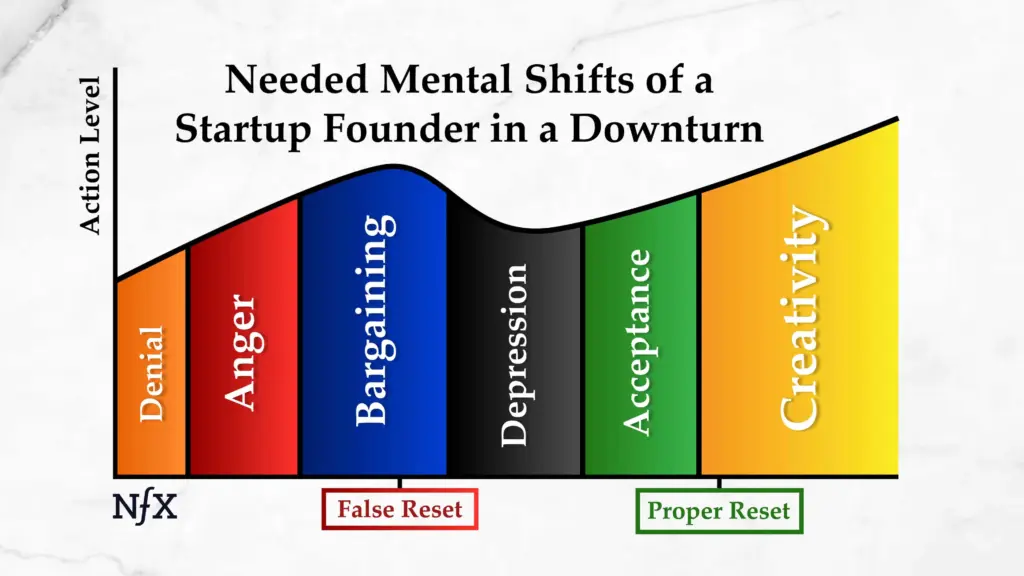
SECTION 4 — STRESS & EMOTIONAL STABILITY
Startups = prolonged psychological war.
Check:
- Handles setbacks calmly
- Decision quality under pressure
- Emotional volatility
- Panic behaviour in crisis
- Burnout signals
- Impulsive pivots
High risk founders:
- Oscillate between euphoria ↔ despair
- Make emotional decisions disguised as strategy
Score (1–5): ___
SECTION 5 — INTEGRITY & TRUTHFULNESS
Non-negotiable zone.
Detect:
- Data manipulation
- Selective disclosure
- Cap table opacity
- Hidden liabilities
- Revenue inflation
- Excuses instead of facts
If integrity doubtful → Stop. No investment.
Score (1–5): ___
SECTION 6 — CONTROL vs TRUST
Founder risk rises if:
- Cannot delegate
- Micromanages everything
- Distrusts team
- Needs total control
- Fear of being replaced
Paradox:
Control freak founders slow growth → then blame market.
Score (1–5): ___
SECTION 7 — MONEY PSYCHOLOGY
Danger signals:
- Treats funding like personal success
- Overspends after raise
- Ego hiring
- Vanity branding
- Burn blindness
- Avoids unit economics
Frugal founders survive longer.
Score (1–5): ___
SECTION 8 — MOTIVATION TYPE
Identify primary driver:
| Type | Risk |
| Mission-driven | Low risk |
| Builder mindset | Low risk |
| Wealth obsession | Medium risk |
| Status / fame driven | High risk |
| Fear-driven | High risk |
Score (1–5): ___
SECTION 9 — REALITY DISTORTION INDEX
Check if founder:
- Believes market will “understand later”
- Ignores weak traction
- Constantly reframes failure as strategy
- Confuses hope with probability
- Lives in future narrative vs present reality
Score (1–5): ___
SECTION 10 — FAILURE RESPONSE
Ask: “Tell me about your biggest failure.”
Evaluate:
- Takes responsibility?
- Learned clearly?
- Changed behaviour?
- Still bitter / blaming?
Past failure response predicts future crisis behaviour.
Score (1–5): ___
RISK INTERPRETATION MATRIX
Total Score = ___ / 50
| Score | Founder Risk Level | Meaning |
| 10–18 | LOW RISK | Investable. Strong psychological base |
| 19–26 | MODERATE | Coachable but monitor |
| 27–34 | HIGH | Governance protection needed |
| 35–42 | VERY HIGH | Replace risk likely |
| 43–50 | EXTREME | Avoid investing |
CRITICAL RED FLAGS (Immediate Stop)
If any present → Do not invest
- Integrity doubts
- Lies about metrics
- Blames everyone else
- Cannot handle truth
- Emotionally unstable
- Ego > company survival
WHAT GREAT FOUNDERS LOOK LIKE (Pattern Recognition)
Elite founders usually:
- Seek truth, not validation
- Calm under chaos
- Ruthlessly honest with numbers
- Frugal even after funding
- Coachable but independent
- Ego controlled, ambition high
- Execute more than speak
- Adapt fast, panic slow