
Early-stage startups don’t fail because of lack of ideas. They fail because of people problems introduced too early.
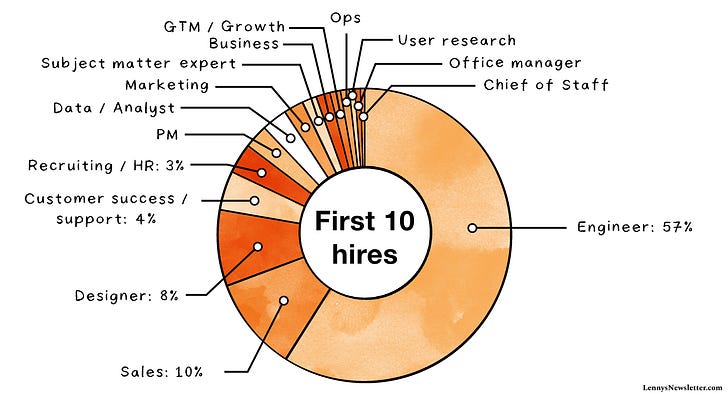
Your first 10 hires don’t just execute—they define culture, pace, and standards. In India, where hiring mistakes are expensive to reverse, this matters even more.
Pedigree is often overvalued. Operators who have worked in constrained environments—where outcomes mattered more than titles—tend to outperform.
What should founders look for?
- Ownership mindset – People who treat problems as theirs
- Bias for execution – Less talk, more delivery
- Founder alignment – Willingness to build before optimising
Early hires should be comfortable with ambiguity, imperfect processes, and evolving roles. If someone needs structure before contributing, they are likely too early.
Equity conversations also set the tone. Over-promising early creates entitlement later. Fair, transparent alignment builds trust.
In our experience, startups with strong early teams recover from product mistakes. Those with weak teams rarely do.
Hire slowly. Hire deliberately. The cost of getting this wrong is existential.